
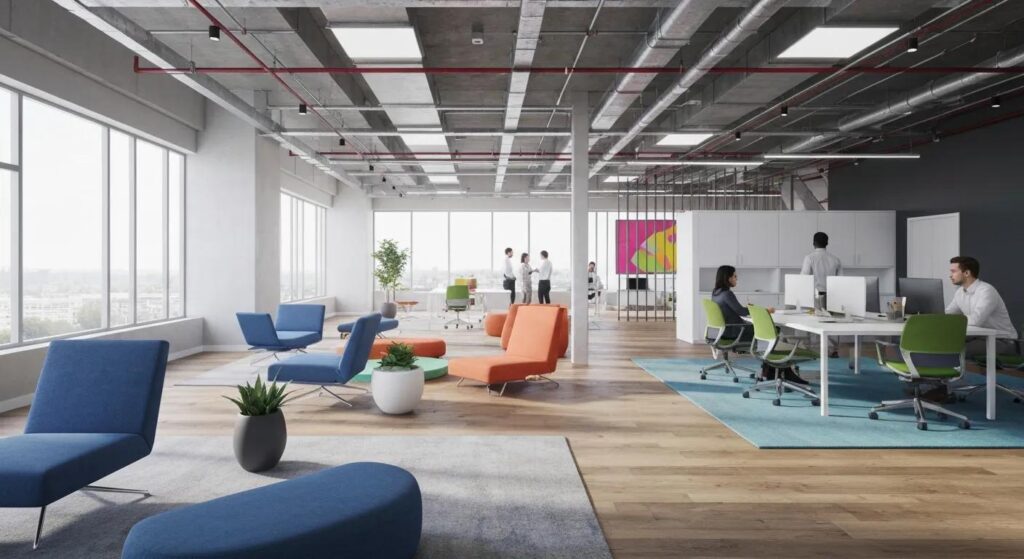
Transform Your Workspace Today
A professional office deep cleaning service is a targeted, intensive cleaning and sanitization process that removes entrenched soils, pathogens, and allergens to restore a workspace to near-original condition while improving Indoor Air Quality and visual presentation. This article explains what office deep cleaning entails, why it matters for health, productivity, asset protection and client perception, and how facility managers can design a practical schedule that balances disruption with results. You will learn clear, actionable steps used in advanced deep cleaning—covering assessment, disinfection technologies, carpet and hard-floor restoration, and eco-friendly alternatives—plus industry-specific protocols for medical and educational settings. The guide also maps decision factors for frequency and offers sample checklists to support procurement and vendor evaluation. Throughout, keywords such as professional office deep cleaning services, workspace sanitization, commercial deep cleaning, and commercial carpet deep cleaning are used to align with contemporary search intent and to make this resource useful for facility managers in Macomb County, Oakland County, and Metro Detroit.
Why Is Professional Office Deep Cleaning Essential for Your Business?
Professional office deep cleaning is an intensive service that goes beyond routine janitorial tasks by targeting hidden contaminants, embedded soils, and microbial reservoirs to create a safer, longer-lasting workplace environment. The mechanism combines mechanical cleaning, hot-water extraction, HEPA-filtration vacuuming and validated disinfection methods to reduce pathogen loads and allergens, which directly improves Indoor Air Quality and lowers transmission risk. The main benefits include healthier occupants, lower absenteeism, preserved building assets, and an improved client-facing image that supports brand trust. Below is a concise list of the primary reasons organizations invest in scheduled deep cleaning to maintain operational continuity.
- Health and safety: Targeted disinfection reduces pathogens on high-touch surfaces and in porous materials.
- Productivity: Cleaner air and surfaces correlate with fewer sick days and higher employee focus.
- Asset protection: Proper cleaning restores carpets and finishes, extending lifecycle and lowering replacement costs.
- Reputation: A deep-cleaned reception and meeting space strengthens first impressions with visitors.
These outcomes depend on precise methods and verification, which leads into how deep cleaning specifically enhances workplace health and safety.
How Does Deep Cleaning Enhance Workplace Health and Safety?
Deep cleaning enhances workplace health by combining surface disinfection with removal of embedded contaminants, which interrupts transmission routes for viruses, bacteria and allergens. Methods such as HEPA-filter vacuuming remove particulates from carpets and upholstery, while validated disinfectants and electrostatic application reach high-touch and irregular surfaces to ensure contact and dwell times are met. Improved Indoor Air Quality follows from removing dust reservoirs and biological contaminants that contribute to respiratory irritation and allergic responses, producing measurable improvements in occupant comfort and symptom reduction. Understanding these mechanisms makes clear why targeted protocols are necessary for spaces with vulnerable populations or regulatory hygiene expectations.
Enhanced safety practices also require verification steps—such as supervisor QA checks and periodic air or surface testing—so that cleaning translates into demonstrable risk reduction and informs scheduling decisions for repeat deep cleaning. This verification connects to operational outcomes like employee attendance and productivity, which are central to the business case for deep cleaning.
What Are the Productivity and Morale Benefits of a Deep Cleaned Workspace?
A deeply cleaned office supports productivity by reducing environmental stressors that distract employees—odor, visible soiling, and allergens—and by lowering infectious illness transmission that otherwise increases absenteeism. Recent workplace studies indicate that cleaner environments correlate with improved cognitive performance and fewer sick days, translating into measurable operational benefits for employers. Employees also respond to visible investment in cleanliness with higher morale and perceived employer care, which can improve retention and team engagement over time. These human factors demonstrate how deep cleaning is not just a maintenance cost but an investment in workforce effectiveness.
Because productivity gains are often realized after multiple cycles of targeted maintenance, facility managers should view deep cleaning as part of an ongoing asset care and wellness strategy rather than a one-off expense; the next section explains the practical components of an effective deep cleaning program.
What Does Our Comprehensive Office Deep Cleaning Process Include?
A comprehensive office deep cleaning process begins with a structured assessment, proceeds through surface- and material-specific cleaning, and concludes with verification and maintenance recommendations to sustain results. The assessment evaluates traffic patterns, high-touch inventories, flooring and upholstery materials, and any industry-specific compliance needs to define scope and frequency. Advanced methods integrate mechanical cleaning (HEPA vacuuming), surface restoration (hot water extraction), and validated disinfection approaches to deliver both aesthetic restoration and microbial reduction. Below is a practical step-by-step list outlining the key phases most providers include when delivering professional office deep cleaning services.
- Assessment and scoping: Inspect areas, identify sensitive zones, and create a tailored plan.
- Pre-clean and declutter: Remove debris and perform initial dusting and vacuuming.
- Deep surface and carpet cleaning: Apply hot-water extraction and restorative floor care.
- Advanced disinfection: Use electrostatic application or fogging where appropriate.
- Verification and reporting: Perform QA checks and deliver a scope-of-work summary.
These phases combine to produce measurable outcomes for both visual cleanliness and workspace sanitization, and the following table clarifies process steps with tools and intended outcomes for procurement and transparency.
Introductory table: the EAV mapping below shows core process steps, associated tools or products, and the expected outcome for each activity to help decision-makers evaluate methods and equipment.
| Process Step | Tool / Product | Purpose / Outcome |
|---|---|---|
| Initial Assessment | Site inspection checklist | Customized scope and scheduling plan |
| High-dust removal | HEPA-filter vacuum | Reduce airborne particulates and allergen reservoirs |
| Carpet extraction | Hot-water extraction machine | Deep stain removal and allergen reduction |
| Hard-floor restoration | Stripping, sealing, burnishing tools | Restore finish, improve slip-resistance |
| Whole-space disinfection | Electrostatic sprayer / hospital-grade disinfectant | Broad-spectrum surface pathogen reduction |
This mapping clarifies how each step contributes to safety, appearance, and longevity; the next subsection outlines how plans are customized across different office environments.
How Do We Customize Deep Cleaning Plans for Different Office Environments?
Customization starts with a data-driven assessment that considers square footage, occupancy patterns, surface types, and regulatory factors such as clinical hygiene needs in medical offices. The assessment produces a tailored scope—detailing materials, cleaning frequencies, products allowed (including eco-friendly options), and phasing plans to minimize disruption—so that each facility receives a plan aligned to its risks and operational windows. Example plan variants include more frequent carpet extraction in high-traffic reception zones and additional disinfection cycles for shared equipment areas. Deliverables for clients typically include a checklist, recommended frequency, and a clear description of verification measures to ensure outcomes match expectations.
This tailored approach ensures deep cleaning resources are focused where they provide the most health and asset-preservation value, and it connects directly to the selection of advanced disinfection and sanitization methods discussed next.
Which Advanced Disinfection and Sanitization Methods Do We Use?
Advanced disinfection methods combine validated chemistries with delivery technologies that improve coverage and effectiveness while maintaining occupant safety when correctly applied. Electrostatic spraying is commonly used to distribute charged droplets that wrap around surfaces for uniform coverage of workstations and breakrooms, while targeted fogging can be applied in unoccupied times for broader area disinfection. HEPA-filter vacuuming reduces particulate loads prior to chemical application, and microfiber protocols improve soil pickup while minimizing cross-contamination. Safety and efficacy depend on correct product selection and adherence to contact times specified by the disinfectant manufacturer.
When selecting methods, facility managers must balance efficacy, downtime, and occupant sensitivity; the following two subsections describe floor/carpet techniques and high-touch surface protocols that often accompany disinfection programs.
What Floor and Carpet Deep Cleaning Techniques Are Applied?
Carpet restoration typically relies on hot-water extraction (also called truck-mounted or portable hot-water systems) to flush and remove soils, allergens, and residues embedded deep in pile, returning texture and appearance while reducing allergen loads. Hard flooring often requires stage-based restoration—stripping old finishes, resealing, and buffing to restore gloss and slip-resistance—which both improves safety and preserves the wear layer. Bonnet cleaning and low-moisture encapsulation are options for quicker interim maintenance where downtime is limited, but hot-water extraction remains the gold standard for deep carpet cleaning. Choosing restoration over replacement can yield significant lifecycle savings for facility assets.
Reducing Carpet Allergens with Hot Water Extraction Cleaning
The study found that the presence of three different carpets were reduced post hot water extraction cleaning by 78%. It also noted that allergens found in the carpet base (>_71% of Feld1/Canf1) were significantly reduced. Hot water extraction cleaning had a substantial impact on allergen levels.
Reduction of Domestic Allergen Levels in Carpets and Soft Furnishings in US Homes Using a Proprietary Hot Water Extraction Cleaning Process, 2013
How Are High-Touch Surfaces and Fixtures Thoroughly Cleaned?
High-touch cleaning focuses on a prioritized inventory—door handles, light switches, elevator buttons, keyboards and shared devices, restroom fixtures, and breakroom touchpoints—using microfiber, appropriate disinfectants, and validated dwell times to achieve pathogen reduction without damaging electronics or finishes. For electronics, non-abrasive, manufacturer-approved wipes and minimal liquid application protect devices while removing microbes. Verification through supervisor spot checks and documented sign-offs ensures that teams maintain consistent coverage and compliance with the plan. Integrating these high-touch protocols with periodic whole-space disinfection strengthens overall workspace sanitization.
After outlining methods, the next section addresses sustainability: eco-friendly product options and trade-offs.
What Eco-Friendly Cleaning Options Are Available for Offices?
Eco-friendly options include plant-derived detergents, low-VOC disinfectants, and products certified to third-party green standards that reduce occupant exposure to harsh chemistries and support indoor air quality goals. These products often require adjusted contact times and procedural modifications—longer dwell times or additional mechanical agitation—to achieve comparable efficacy against certain pathogens, which facility managers must plan for. Benefits include improved occupant comfort and alignment with corporate sustainability objectives, while trade-offs may include slightly higher product cost or adjusted schedules to maintain effectiveness. Eco-options can be integrated into customized plans for areas where occupant sensitivity or sustainability commitments are priorities.
Choosing green products requires documenting equivalence in outcomes and ensuring teams are trained on any process differences; with methods and materials clarified, the next section highlights which industries most benefit from comprehensive deep cleaning.
Unlocking Productivity: How Deep Cleaning Benefits Key Industries
Professional office deep cleaning supports many industries by addressing their unique hygiene, appearance, and regulatory needs through targeted protocols and frequencies. Sectors that derive outsized benefit include corporate offices seeking brand presentation and IAQ improvements, medical and dental clinics requiring enhanced disinfection, educational facilities prioritizing high-touch mitigation among children, and retail spaces needing floor restoration to cope with heavy foot traffic. The list below summarizes typical industry priorities and the protocol focus for each sector.
- Corporate offices: Reception, conference rooms, and HVAC-related IAQ improvements.
- Medical/dental clinics: Rigorous surface disinfection, clinical area zoning, and scheduling around patient flow.
- Educational facilities: Frequent high-touch disinfection and rapid turnaround cleaning strategies.
- Retail: Flooring maintenance, fitting room sanitation, and front-of-house presentation.
These industry-specific priorities inform how scope, frequency and verification are set; the next subsections describe protocols for medical facilities and for schools and retail environments specifically.
What Are the Deep Cleaning Protocols for Medical and Dental Offices?
Medical and dental deep cleaning protocols emphasize enhanced surface disinfection, clear segregation of clinical and non-clinical zones, and scheduling that minimizes patient-care disruption while meeting compliance expectations. Enhanced protocols include targeted cleaning of clinical surfaces with hospital-grade disinfectants that meet contact-time requirements, careful handling of non-sharp waste-adjacent areas, and coordination with clinical staff to ensure cleaning windows do not interfere with procedures. A short checklist typically includes pre-visit assessment, contact-time adherence, verification sign-off, and documentation of corrective actions. These measures reduce infection transmission risk and support compliance with public-health guidance.
These clinical-focused protocols contrast with strategies used in educational and retail settings, which prioritize different touchpoints and scheduling needs.
How Do We Address Deep Cleaning Needs in Educational and Retail Facilities?
In schools and daycare settings, protocols prioritize classrooms, cafeterias and playground-adjacent zones where child occupancy concentrates high-touch interactions, using frequent disinfection cycles scheduled to avoid class hours. For retail environments, the emphasis is on front-of-house presentation and heavy-traffic floor restoration, with phased cleaning and after-hours options to maintain sales operations. Both sectors benefit from visible cleaning programs that reassure occupants and customers while minimizing operational disruption through phased approaches and targeted quick-turn maintenance. Tailoring frequency and methods to the daily rhythms of each facility reduces downtime while preserving cleanliness and safety.
Understanding industry fit supports vendor selection; the next section explains how McCoy Maintenance positions itself in this market.
How Does McCoy Maintenance Stand Out in Providing Office Deep Cleaning?
McCoy Maintenance positions its service offering as a family-owned, locally focused provider that combines practical deep cleaning methods with customer-focused guarantees and flexible scheduling tailored for commercial clients across Macomb County, Oakland County and Metro Detroit. Leadership by a “Master Cleaner” and an emphasis on trained, background-checked and insured staff provide trust signals for buyers seeking reliable performance. The company highlights a 100% satisfaction guarantee and customized cleaning plans as core value propositions, while offering eco-friendly options and comprehensive service lines including janitorial, commercial and residential carpet cleaning, upholstery cleaning, floor maintenance, fogging and construction cleaning. These trust-building elements are intended to complement the technical capabilities described earlier and to provide a clear procurement choice for local facility managers.
Below are specific experience and guarantee details drawn directly from available information, presented to support buyer confidence without replacing technical evaluation.
What Experience and Certifications Support Our Expertise?
McCoy Maintenance emphasizes local leadership and field experience under a “Master Cleaner” who guides operational standards and staff training, with background-checked and insured teams deployed for commercial projects. The combination of family-owned service orientation and experienced personnel supports consistent QA processes and close client communication. While specific third-party certifications are not listed here, the company’s stated focus on trained staff and tailored plans signals an emphasis on industry best practices and on delivering verifiable outcomes. Prospective clients should review scope documents and QA checklists as part of selection to confirm methods and verification align with their facility requirements.
This operational experience underpins the company’s quality promise, described in the next subsection.
How Does Our 100% Satisfaction Guarantee Ensure Quality?
A 100% satisfaction guarantee signals a make-it-right approach in which providers commit to corrective action if outcomes fall short of the agreed scope; this typically includes rework within a specified timeframe and supervisor review to confirm issues are resolved. Operationally, such guarantees depend on clear scopes of work, documented verification (spot checks and sign-offs), and responsive communication channels for client-initiated remediation requests. Clients benefit when guarantees are accompanied by transparent deliverables and documented QA procedures that define when and how corrective measures are executed. This guarantee complements technical methods by offering a customer-focused assurance that cleaning results will meet expectations.
Having established provider differentiation, the next section summarizes the broader benefits of regular deep cleaning.
What Are the Key Benefits of Regular Commercial Office Deep Cleaning?
Regular commercial office deep cleaning delivers health, operational and financial benefits by reducing pathogen reservoirs, improving occupant comfort, and extending the useful life of carpets, upholstery and finishes. Frequent, scheduled restoration and disinfection preserve asset value, reduce unscheduled downtime for repairs or replacement, and promote a consistent brand presentation. These benefits aggregate into lower total cost of ownership for facility assets and measurable improvements in employee attendance and customer perception. The short list below highlights core long-term advantages.
- Health protection: Ongoing pathogen and allergen reduction supports a healthier workforce.
- Asset lifespan: Proper restoration extends carpet and floor life and reduces capital replacement.
- Brand presentation: Consistent cleanliness supports client trust and professional image.
To make these benefits concrete for procurement, the table below maps benefits to typical impacts and gives illustrative outcomes that facility managers can use in ROI calculations.
Introductory EAV table: comparing benefit dimensions, attributes and typical outcomes so decision-makers can connect cleaning inputs to operational value.
| Benefit Area | Attribute | Typical Outcome |
|---|---|---|
| Health | Reduced pathogens | Lower absenteeism and fewer outbreaks |
| Productivity | Improved IAQ | Increased focus and employee comfort |
| Asset protection | Restorative maintenance | Extended replacement cycles and cost savings |
| Reputation | Visual cleanliness | Stronger client impressions and perceived professionalism |
This mapping demonstrates how recurring deep cleaning supports both people and property; the next subsections explain asset protection mechanics and client-impression strategies.
How Does Deep Cleaning Protect Your Office Assets and Investment?
Deep cleaning protects assets by removing abrasive soils, restoring protective finishes, and addressing deterioration early—actions that preserve fiber integrity in carpets and the wear layer on hard floors. Regular restorative cycles, such as scheduled hot-water extraction and finish renewal, prevent cumulative damage that accelerates replacement costs. Facility managers should track condition indicators (color loss, fiber crushing, finish wear) and align maintenance intervals to usage patterns to optimize lifecycle costs. Preventive maintenance yields predictable capital planning and measurable savings compared with deferred restoration or replacement.
These asset-preservation activities also enhance spaces where first impressions matter, which the next subsection addresses.
In What Ways Does a Deep Cleaned Office Create a Positive Client Impression?
First impressions form quickly in reception, conference and restroom areas; deep cleaning ensures these zones are free of soil, odors and visible wear, which supports perceptions of professionalism and operational quality. A short checklist of impression-critical zones—lobby seating, front-desk surfaces, restrooms and meeting rooms—helps prioritize resources before client visits. Quick wins such as restored carpets, polished hard floors and sanitized conference tables create visible signals of care that bolster trust and client confidence. When deep cleaning is paired with routine maintenance, impressions remain consistent across visits and events.
With benefits clear, facility managers need guidance on scheduling frequency—which the following section provides.
How Often Should Offices Schedule Professional Deep Cleaning Services?
Baseline recommendations for scheduling professional deep cleaning typically range from every three to six months for general office spaces, with frequency adjusted by traffic, industry, and visible wear. High-traffic or high-risk environments may require monthly or quarterly cycles, while low-occupancy spaces may be on a semi-annual schedule. Decision factors include occupant density, industry hygiene requirements, flooring and upholstery materials, and seasonal illness patterns. The list below summarizes common scheduling rules-of-thumb to help facility managers choose an appropriate baseline.
- High-traffic reception and retail: Monthly to quarterly deep cleaning.
- Standard corporate offices: Quarterly to semi-annual deep cleaning.
- Medical or clinical spaces: Monthly or customized per clinical schedule.
- Educational facilities: Monthly during term time with supplemental between-terms deep cleans.
These baseline rules should be adapted through ongoing condition monitoring and outcome verification; the EAV table below provides a quick-reference format mapping business types to recommended frequencies.
Introductory EAV table: recommended frequencies by business type, with traffic/use attributes to guide scheduling choices.
| Business Type | Traffic / Use | Recommended Frequency |
|---|---|---|
| Retail / High footfall | Continuous daily peak traffic | Monthly to quarterly |
| Medical / Clinical | Patient-facing, higher risk | Monthly or per clinical need |
| Corporate office | Standard 9–5 occupancy | Quarterly to semi-annual |
| Educational | Daily student use | Monthly during term |
This quick guide helps align budgets and operational windows; the next subsections unpack determining factors and scheduling tactics.
What Factors Determine the Ideal Deep Cleaning Frequency for Your Business?
Key determinants include occupant density, visible wear, flooring and upholstery types, criticality of hygiene (clinical vs administrative), and budget constraints that influence acceptable downtime for more intensive methods. Traffic and usage patterns provide the first-order signal—spaces with continuous public access require more frequent restoration—while regulatory or contractual hygiene obligations can mandate minimum cycles. Facility managers should integrate condition monitoring and periodic audits to refine frequency, ensuring that cleaning interventions are both timely and cost-effective.
Understanding these variables supports practical scheduling approaches that lower disruption while delivering results.
How Does Flexible Scheduling Minimize Business Disruption?
Flexible scheduling options include after-hours work, weekend phasing, and sectional rotations that allow facilities to receive deep cleaning without closing operations. Phased cleaning segments large facilities into zones, enabling teams to restore high-priority areas first while leaving critical operations functional. Clear communication protocols with facility managers—detailing site access, staging areas, and expected timelines—reduce friction and speed execution. These coordination practices maximize efficacy while maintaining business continuity, and they make it easier to align deep cleaning cycles with other building maintenance activities.
Following this scheduling guidance, facility managers can select a provider and request quotes that reflect the scope and frequency aligned with operational goals. For local organizations seeking service, note the availability of related floor and carpet restoration options.
For offices seeking integrated solutions that include carpet and upholstery restoration, McCoy Maintenance offers commercial and residential carpet cleaning alongside office deep cleaning and floor maintenance services; prospective clients can request quotes and discuss customized cleaning plans that combine restorative carpet extraction with scheduled deep disinfection. This integrated approach helps consolidate vendor management while ensuring consistent QA across floor and surface care offerings.
- Integrated services: Combine deep cleaning with commercial carpet deep cleaning and upholstery restoration for lifecycle value.
- Flexible scheduling: After-hours and phased options minimize disruption to daily operations.
- Customized plans: Tailored frequencies and eco-options align with facility goals and occupant sensitivities.
This practical close highlights service integration opportunities and invites procurement dialogue consistent with buyer evaluation processes.
Frequently Asked Questions
What is the difference between deep cleaning and regular cleaning?
Deep cleaning involves a thorough and intensive cleaning process that targets hidden contaminants, allergens, and pathogens, going beyond the surface-level cleaning typically performed in regular cleaning. While regular cleaning focuses on maintaining cleanliness through routine tasks, deep cleaning addresses embedded soils and microbial reservoirs, ensuring a healthier environment. This process often includes specialized techniques such as hot-water extraction for carpets and advanced disinfection methods, making it essential for maintaining high hygiene standards in workplaces.
How can deep cleaning improve employee morale?
Deep cleaning can significantly enhance employee morale by creating a healthier and more pleasant work environment. A clean workspace reduces allergens and pathogens, leading to fewer sick days and improved overall well-being. Employees often feel more valued when their employer invests in maintaining a clean and safe environment, which can boost their engagement and productivity. Additionally, a visibly clean office reflects professionalism and care, fostering a positive workplace culture that encourages teamwork and satisfaction among staff.
Are eco-friendly cleaning products effective for deep cleaning?
Yes, eco-friendly cleaning products can be highly effective for deep cleaning when used correctly. These products often contain plant-based ingredients and low-VOC formulations that minimize harmful chemical exposure while still achieving strong cleaning results. However, they may require longer contact times or additional mechanical action to match the efficacy of traditional cleaning agents. Facility managers should ensure that staff are trained in using these products effectively to maintain high cleaning standards while supporting sustainability goals.
How do I choose the right deep cleaning service for my office?
Choosing the right deep cleaning service involves evaluating several factors, including the provider’s experience, reputation, and the specific services they offer. Look for companies that specialize in commercial cleaning and have a proven track record in your industry. It’s also important to assess their cleaning methods, certifications, and whether they offer customizable plans that align with your facility’s needs. Requesting references and reading client testimonials can provide insights into their reliability and quality of service.
What should I expect during a professional deep cleaning service?
During a professional deep cleaning service, you can expect a comprehensive assessment of your workspace, followed by a tailored cleaning plan that addresses specific needs. The cleaning team will perform tasks such as high-dust removal, deep carpet cleaning, and advanced disinfection of high-touch surfaces. After the cleaning, you should receive a report detailing the work completed and any recommendations for ongoing maintenance. Communication with the cleaning team is key to ensuring that all areas of concern are addressed effectively.
How often should deep cleaning be scheduled for optimal results?
The frequency of deep cleaning should be based on factors such as office traffic, industry standards, and specific hygiene requirements. Generally, high-traffic areas may benefit from monthly or quarterly deep cleaning, while standard corporate offices might schedule it every three to six months. Medical facilities often require more frequent cleaning due to higher hygiene standards. Regular assessments and monitoring of cleanliness can help determine the ideal schedule to maintain a healthy and safe work environment.
Can deep cleaning help with allergy management in the workplace?
Yes, deep cleaning can significantly aid in allergy management within the workplace. By removing dust, allergens, and other irritants from carpets, upholstery, and surfaces, deep cleaning helps improve indoor air quality and reduces the risk of allergic reactions among employees. Techniques such as HEPA-filter vacuuming and thorough disinfection of high-touch areas are particularly effective in minimizing allergens. Regular deep cleaning can create a more comfortable environment for individuals with allergies, promoting overall health and productivity.
Conclusion
Investing in professional office deep cleaning services significantly enhances workplace health, productivity, and asset longevity. By prioritizing cleanliness, businesses can create a safer environment that fosters employee well-being and strengthens client trust. Regular deep cleaning not only protects valuable assets but also contributes to a positive brand image. Discover how our tailored cleaning solutions can elevate your workspace—contact us today to learn more.