
Optimizing Indoor Air Quality to Prevent Sick Building Syndrome
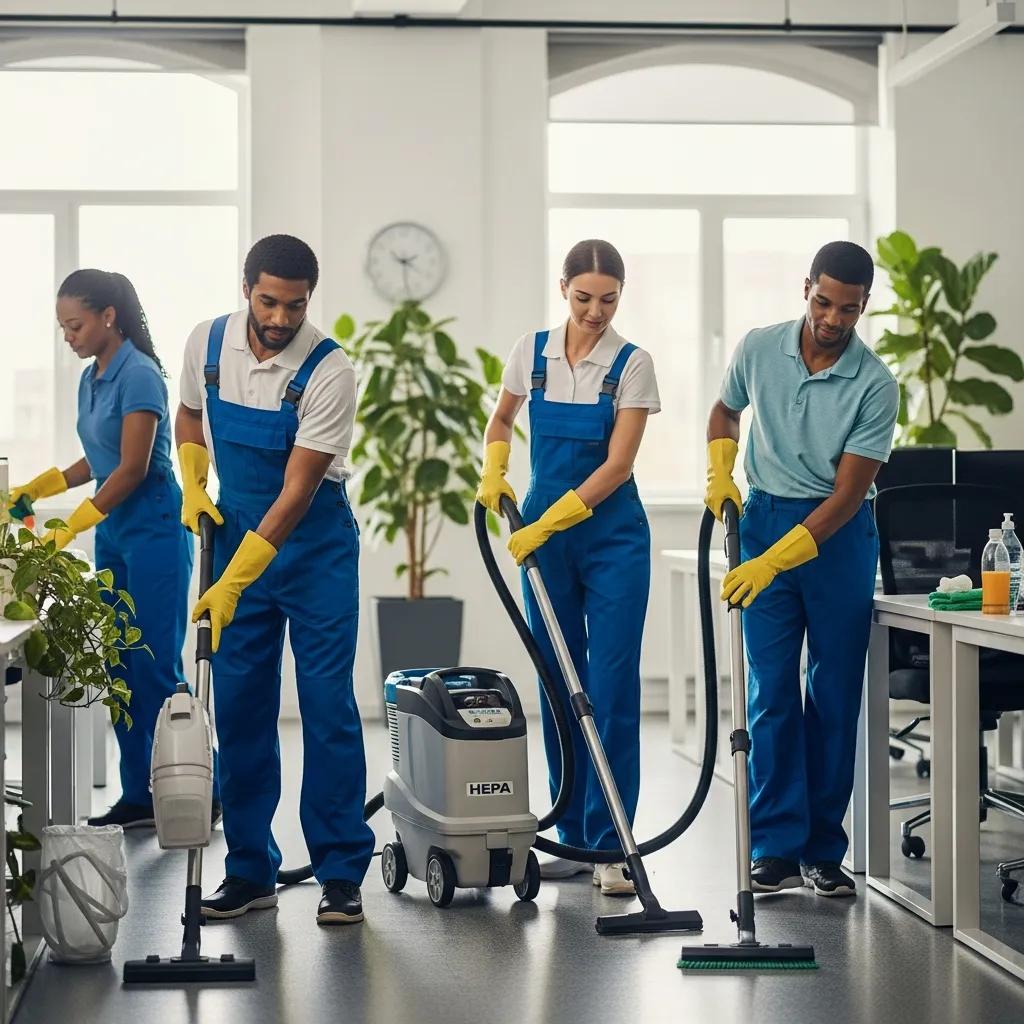
Sick Building Syndrome (SBS) shows up when people in a building report nonspecific health complaints tied to time spent there—not a single diagnosed illness. Practical, targeted commercial cleaning is a frontline prevention step: it removes pollutant reservoirs and improves indoor environmental quality. This guide breaks down how SBS develops, which indoor contaminants cause symptoms, and how routine cleaning, HVAC care, and greener practices work together to protect occupants and productivity. Facility managers and business owners will get clear, usable guidance on symptom recognition, professional cleaning tools (like HEPA-equipped vacuums and hospital‑grade disinfectants), specialty treatments (carpet extraction, ULV fogging), HVAC hygiene basics, and low‑VOC options. You’ll also find action lists, method–outcome tables, and straightforward advice for choosing a local provider that fits your SBS prevention priorities.
What is Sick Building Syndrome and how does it affect indoor air quality?
Sick Building Syndrome refers to a pattern of vague, reversible symptoms that appear linked to time spent inside a building and often improve after people leave. SBS happens when ventilation, pollutant sources, and surface reservoirs allow contaminants—VOCs, particulates, biological agents—to accumulate faster than building systems remove them. For businesses, SBS matters because it raises discomfort, lowers productivity, and increases short‑term absenteeism, so early detection and preventive cleaning usually pay off. Recognizing symptom patterns and applying source control, filtration upgrades, and surface cleaning are practical steps to restore healthier indoor air.
What are the common symptoms and causes of Sick Building Syndrome?
Common SBS symptoms are typically vague and reversible: headaches, eye or throat irritation, nasal congestion, fatigue, dizziness, and worsening asthma or allergy symptoms after time indoors. These complaints often cluster during work hours and ease once occupants leave, signaling an environmental trigger rather than an infectious illness. Typical causes include poor ventilation, VOCs from furnishings and cleaning products, mold growth in damp areas, and dust/allergen resuspension from carpets and upholstery. Spotting these symptom clusters early points to fixes such as improving ventilation, stopping moisture problems, and removing pollutant reservoirs through cleaning.
How do indoor pollutants like VOCs, mold, and allergens contribute to SBS?
VOCs come from building materials, furniture, cleaning products, and everyday activities; at higher concentrations they can irritate and affect cognition. Mold follows moisture issues—leaks, plumbing failures, or clogged HVAC drains—and releases spores and microbial VOCs that irritate airways. Allergens (dust mite fragments, dander, pollen) collect in soft surfaces and become airborne with foot traffic or when HVAC systems run. Identifying the pollutant type and its reservoir helps you choose the right intervention—source control, moisture repair, and targeted cleaning—to break exposure pathways and lower SBS risk.
How can professional commercial cleaning improve indoor environmental quality?
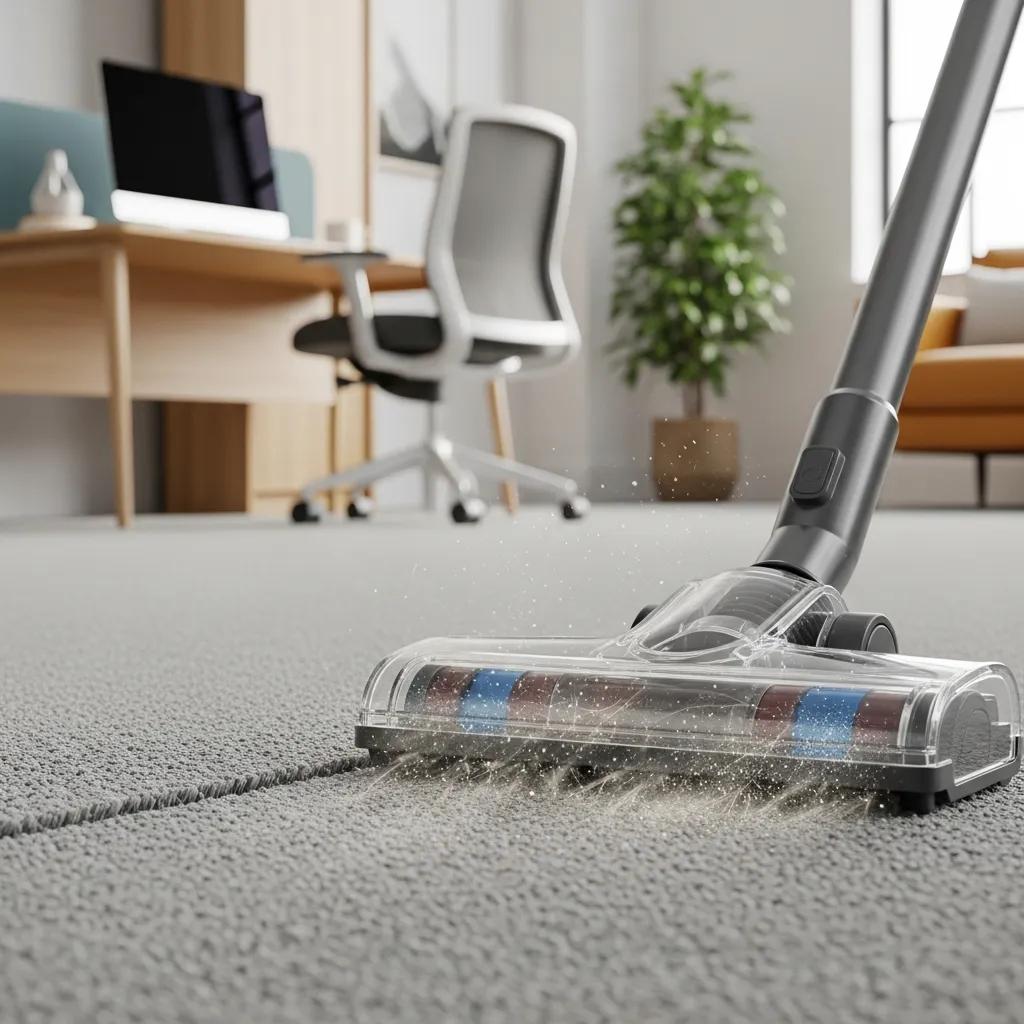
Professional cleaning raises indoor environmental quality by removing the reservoirs and sources that feed airborne and surface contaminants, lowering occupant exposure and reducing SBS triggers. Targeted techniques capture particulates, reduce microbial loads, and remove chemical residues; when combined with regular protocols, they cut resuspension and slow pollutant buildup. Below are core cleaning actions that consistently improve IAQ and reduce SBS risk.
- HEPA‑equipped vacuuming: Captures fine particulates and allergen‑bearing dust instead of spreading them.
- Surface disinfection with hospital‑grade agents: Reduces microbes on high‑touch areas and lowers infection risk.
- Hot‑water extraction for carpets and upholstery: Removes embedded dust, allergens, and residues that later become airborne.
- Ultra Low Volume (ULV) fogging when warranted: Reaches complex surfaces during deep sanitization events.
The table below pairs common cleaning methods with expected indoor air outcomes so facility teams can prioritize work that produces measurable results.
This table links cleaning methods to practical IAQ outcomes so managers can prioritize actions that deliver measurable benefits.
| Cleaning Method | Targeted Contaminant | Expected IAQ Outcome |
|---|---|---|
| HEPA vacuuming | Fine particulates; dust/allergen reservoirs | Lower airborne particle counts; less allergen resuspension |
| Hot‑water carpet extraction | Embedded dust, allergens, soiling | Smaller allergen reservoirs; fewer VOC‑bound particulates |
| Surface disinfection (hospital‑grade) | Bacteria and viruses on touch surfaces | Reduced surface pathogen burden and transmission risk |
These method–outcome pairings show how specific actions cut pollutant loads and clarify when specialized services should supplement routine janitorial work.
When organizations look for a qualified provider, McCoy Maintenance matches proven cleaning methods—HEPA vacuums, hospital‑grade disinfectants, and consistent janitorial protocols—to IAQ goals, offering customized plans and modern equipment to reduce dust, allergens, and biological contaminants effectively.
What cleaning methods remove dust, allergens, and biological contaminants?
HEPA‑filtered vacuuming captures particles down to common allergen sizes and shrinks the dust pool that resuspends from carpets and surfaces, making it a first‑line control. Microfiber and wet‑wiping remove soils and biofilm without dispersing particulates, while correct disinfectant dilution and contact time ensure microbial kill on touchpoints. For soft furnishings, hot‑water extraction removes embedded allergens and VOC‑laden dust more effectively than dry vacuuming. A layered schedule—daily high‑touch cleaning, weekly HEPA vacuuming in busy areas, and periodic deep carpet cleanings—reduces SBS drivers and improves long‑term indoor environmental quality.
How do HEPA filters and hospital‑grade disinfectants enhance air quality?
HEPA filtration captures a high share of airborne particles—pollen, dust mite fragments, and many respirable particulates—preventing them from circulating and settling. Portable HEPA units and HEPA‑equipped vacuums each play a role. Hospital‑grade disinfectants used to label instructions (correct dilution and dwell time) lower viable microbial counts on high‑touch surfaces and during deep cleaning. Distinguishing cleaning (soil removal), sanitizing (partial microbial reduction), and disinfecting (higher‑level microbial kill) helps teams choose the right product and avoid overusing harsh chemistry. Together, filtration and evidence‑based disinfection reduce both airborne and surface contributors to Sick Building Syndrome.
Which specialized cleaning services prevent Sick Building Syndrome in offices?
Specialized services tackle pollutant reservoirs and episodic contamination that routine janitorial work may miss—making them valuable parts of an SBS prevention plan. Commercial carpet and upholstery cleaning, ULV fogging, and targeted deep cleaning for shared spaces remove embedded contaminants, cut resuspension, and provide rapid pathogen reduction during outbreaks. Here’s a practical look at which services address which contaminants and the business benefits they bring.
- Commercial carpet extraction: Pulls out soil and allergens trapped in fibers to reduce airborne resuspension.
- Upholstery deep cleaning: Extracts particulates and odors from seating and soft surfaces.
- ULV fogging: Delivers fine disinfectant droplets to cover surfaces and hard‑to‑reach areas during deep sanitization.
The table below compares specialized services, the pollutants they target, and the operational benefits businesses can expect.
This EAV-style table clarifies how each specialized service maps to pollutants and organizational benefits for decision-making.
| Service | Pollutants Targeted | Business Offering / Benefit |
|---|---|---|
| Carpet cleaning (hot‑water extraction) | Embedded dust, allergens, VOC‑adsorbed particulates | Lower allergen exposure; better indoor air and appearance |
| Upholstery cleaning | Dust, dander, odors | Cleaner seating surfaces; reduced allergen reservoirs |
| ULV fogging | Surface pathogens, dispersed microbes | Fast deep sanitization for outbreak control and occupant confidence |
Scheduling these specialized services by occupancy, complaint history, and visible soiling complements routine programs, helping close SBS prevention gaps and protect occupant health.
When choosing a local provider, McCoy Maintenance highlights ULV fogging, carpet and upholstery cleaning, and floor care as core services—and emphasizes custom plans and modern equipment to support targeted SBS prevention.
How does carpet and upholstery cleaning reduce airborne pollutants?
Commercial carpet and upholstery cleaning cut airborne pollutants by extracting embedded dust, allergen fragments, and VOC‑bound particulates that act as reservoirs. Hot‑water extraction lifts soils and rinses residues, shrinking the pool of particles that become airborne with foot traffic or HVAC operation. Regularly scheduled extraction aligned with traffic patterns prevents buildup, improves occupant comfort, and prolongs material life. Coordinating carpet maintenance with filtration upgrades and routine vacuuming maximizes IAQ gains and lowers the chance of SBS symptoms returning.
What role does Ultra Low Volume fogging play in pathogen control?
ULV fogging disperses a fine disinfectant mist to reach crevices and surfaces more uniformly than wiping alone, making it a good complement during outbreak response or periodic deep sanitization. Fogging works best when spaces can be vacated for the required contact and drying time and when ventilation is planned to limit short‑term airborne residues. Fogging reduces surface pathogen loads but does not replace source control, filtration, or routine cleaning; it is a strategic tool for rapid load reduction when used with proper product selection and application protocols.
Why is HVAC and ventilation maintenance critical for SBS prevention?
HVAC and ventilation upkeep are central to preventing Sick Building Syndrome because ventilation rates and filtration determine how long airborne pollutants persist. Without adequate airflow and clean filters, other cleaning measures have limited impact. Routine tasks—filter replacement, coil and condensate pan cleaning, and targeted duct inspections—remove growth sites and circulation pathways for particulates. Coordinated planning between cleaning and HVAC teams ensures surface and source removal is reinforced by effective air handling, producing a system‑level reduction in exposures. The table below outlines key HVAC components, recommended actions, and intended IAQ outcomes.
This table links HVAC components to practical maintenance actions and expected improvements in indoor environmental quality.
| HVAC Component | Recommended Action / Frequency | Intended IAQ Benefit |
|---|---|---|
| Filters (MERV‑rated / HEPA where applicable) | Replace per manufacturer guidance or quarterly for heavy use | Lower particulate load and better filtration efficiency |
| Air ducts | Inspect and clean when visible debris, mold, or pest evidence appears | Reduced dust re‑entry and improved air circulation |
| Coils and condensate pans | Clean regularly to prevent moisture buildup and microbial growth | Lower mold risk and improved system efficiency |
Pairing these HVAC hygiene practices with targeted cleaning reduces pollutant recirculation, limits microbial amplification points, and supports sustained drops in SBS‑related complaints.
How does regular air duct cleaning improve air circulation and quality?
Air duct cleaning helps circulation and air quality when ducts contain visible dust, mold, or pest debris that can be redistributed into occupied spaces. Cleaning removes those reservoirs and cuts reintroduction of particulates. Signs that duct cleaning is needed include mold growth, pest evidence, or significant dust shedding that affects comfort. Success can be measured with visual inspection, occupant symptom tracking, and periodic particulate monitoring. Timing duct work with upstream filter upgrades and coil cleaning maximizes the benefits and reduces recurrence.
What are the benefits of filter replacement and HVAC hygiene?
Selecting the right filter efficiency (proper MERV or HEPA where systems allow) and replacing filters on a schedule ensures steady particle capture and avoids reduced airflow from overloaded filters. Regular coil and condensate maintenance prevents moisture that leads to microbial growth, and clean components help the system run efficiently at design airflow rates that dilute indoor pollutants. Together, these HVAC practices lower airborne particle levels, reduce moisture‑driven microbial risks, and extend equipment life—forming a balanced approach to SBS prevention alongside surface and source cleaning.
How do green cleaning practices support a healthier indoor environment?

Green cleaning supports healthier indoor spaces by using low‑VOC products, controlling dilution and application, and choosing protocols that minimize occupant exposure while still removing soils and microbes effectively. These practices cut the chemical piece of SBS—reducing VOCs from cleaning agents and residues—while supporting sustainability and occupant comfort. Implementing green cleaning requires training, product validation, and monitoring to make sure reduced chemical intensity doesn’t compromise cleanliness. When done right, green programs deliver both health and environmental gains. Below are the main advantages facilities can expect from eco‑friendly cleaning.
- Lower occupant exposure to VOCs: Less irritation and a smaller chemical burden.
- Better perceived indoor air quality: Fewer strong cleaning odors and more occupant comfort.
- Sustainability and reputation benefits: Meets environmental goals without sacrificing cleanliness.
Moving intentionally to green cleaning reduces chemical‑related SBS triggers and complements mechanical and procedural measures that together maintain healthier buildings.
What are the advantages of using eco‑friendly cleaning products?
Eco‑friendly products generally emit fewer VOCs and often use biodegradable surfactants and safer preservatives, lowering immediate irritant exposures and the long‑term chemical load indoors. Concerns about efficacy are addressed by choosing certified products and following validated protocols—right contact time, agitation, and dilution matter most. Green adoption delivers health benefits and supports corporate responsibility. Training staff in green techniques and tracking results ensures that reduced chemical intensity still meets cleanliness and microbial control goals.
How do green cleaning solutions reduce VOC emissions and chemical contaminants?
Green solutions cut VOCs by replacing solvent‑ and fragrance‑heavy formulations with low‑VOC alternatives, controlling dilution, and avoiding over‑application through microfiber systems and targeted cleaning. Process changes—using pre‑moistened wipes with measured chemistry, spot cleaning instead of blanket spraying, and enzyme cleaners where appropriate—reduce surface residues and off‑gassing. Procurement policies that favor certified low‑VOC products and batch testing for efficacy help secure IAQ benefits without sacrificing hygiene. Use occupant feedback and, when needed, indoor air testing to validate VOC reductions after a green transition.
What are the business benefits of preventing Sick Building Syndrome?
Preventing SBS produces clear business returns: healthier, more productive employees; fewer sick days and presenteeism; higher occupant satisfaction; and lower risk of regulatory or reputation problems tied to poor indoor environments. Investing in coordinated cleaning, HVAC hygiene, and targeted specialty services delivers measurable returns through reduced lost‑workdays and better performance metrics, while supporting sustainability and wellness goals. Treat SBS prevention as an operational investment—balance intervention frequency with occupancy, complaint history, and risk profile. Local partners that offer tailored plans, trained staff, and modern equipment help turn remediation into ongoing prevention.
How does improved indoor air quality boost employee health and productivity?
Cleaner indoor air reduces irritation, cognitive drag, and respiratory symptoms that erode productivity. Research links better ventilation and lower pollutant levels to measurable productivity gains and fewer sick days. Healthier spaces support focus, lower short‑term absenteeism, and improve morale and retention when occupants feel their workplace is safe and well cared for. Practical outcomes include fewer facilities complaints, fewer cleaning‑related escalations, and less disruptive remediation. Tracking absenteeism and productivity before and after interventions helps build the business case for sustained investment in IAQ improvements.
Why choose McCoy Maintenance for local commercial cleaning in Metro Detroit?
McCoy Maintenance is a family‑owned commercial cleaning company serving Macomb County, Oakland County, and greater Metro Detroit. We stand behind our work with a 100% satisfaction guarantee, customized cleaning plans, and trained, vetted, insured staff. We invest in modern equipment, offer hospital‑grade disinfectants and eco‑friendly options, and provide specialty services like ULV fogging, carpet and upholstery cleaning, and floor maintenance. David McCoy is a certified . If you want local knowledge and flexible plans focused on healthier workplaces, McCoy Maintenance builds programs that match your SBS prevention needs.
Frequently Asked Questions
What are the long‑term effects of Sick Building Syndrome on employees?
Long‑term exposure tied to SBS can lead to chronic respiratory issues, recurring headaches, and worsened allergies or asthma for some people. Over time, these health impacts can lower productivity, increase absenteeism, and hurt morale. In severe cases, persistent indoor environmental problems can drive higher turnover and damage an organization’s reputation—another reason to address SBS early and consistently.
How often should commercial cleaning be performed to prevent SBS?
Cleaning frequency depends on occupancy, use patterns, and pollutant sources. As a rule, clean high‑touch surfaces daily; increase vacuuming and floor care in heavy‑traffic zones; and schedule deep carpet and upholstery cleaning quarterly or as traffic and soiling require. Use HVAC maintenance schedules alongside cleaning plans, and deploy specialized services like ULV fogging when outbreaks or specific needs arise.
What role does employee training play in preventing Sick Building Syndrome?
Employee training is essential. Staff who understand proper cleaning techniques, green product use, and how to spot indoor pollutant issues help prevent problems before they escalate. Trained teams apply products correctly, respect dwell times, and report concerns—making detection and timely intervention more likely. A culture of cleanliness supports overall workplace health.
Can Sick Building Syndrome be completely eliminated?
SBS can be greatly reduced but not always completely eliminated, because buildings and occupant behaviors change over time. Continuous monitoring, regular cleaning, HVAC maintenance, and green practices dramatically lower risk. Ongoing vigilance and adaptation remain important to keep environments healthy.
What are the signs that a building may be experiencing Sick Building Syndrome?
Look for clusters of similar complaints—headaches, eye irritation, fatigue, or respiratory issues that improve after occupants leave. Other signs include visible mold, persistent odors, and poor ventilation. Regular surveys and occupant feedback help catch these patterns early so you can act before problems worsen.
How can businesses measure the effectiveness of their cleaning protocols?
Measure effectiveness through a mix of methods: occupant feedback and symptom tracking, visible inspections, air quality tests when needed, and business metrics like absenteeism. Regular audits and before‑and‑after checks after major interventions give clear evidence of impact and help refine cleaning strategies.
Conclusion
Targeted commercial cleaning, paired with HVAC care and greener product choices, is a practical route to reducing Sick Building Syndrome and improving indoor air quality. These steps protect employee health, boost productivity, and enhance occupant satisfaction. Working with a qualified local partner like McCoy Maintenance ensures cleaning plans are tailored to your facility and goals. Start protecting your workplace today—reach out to learn about our comprehensive cleaning services and SBS prevention programs.