
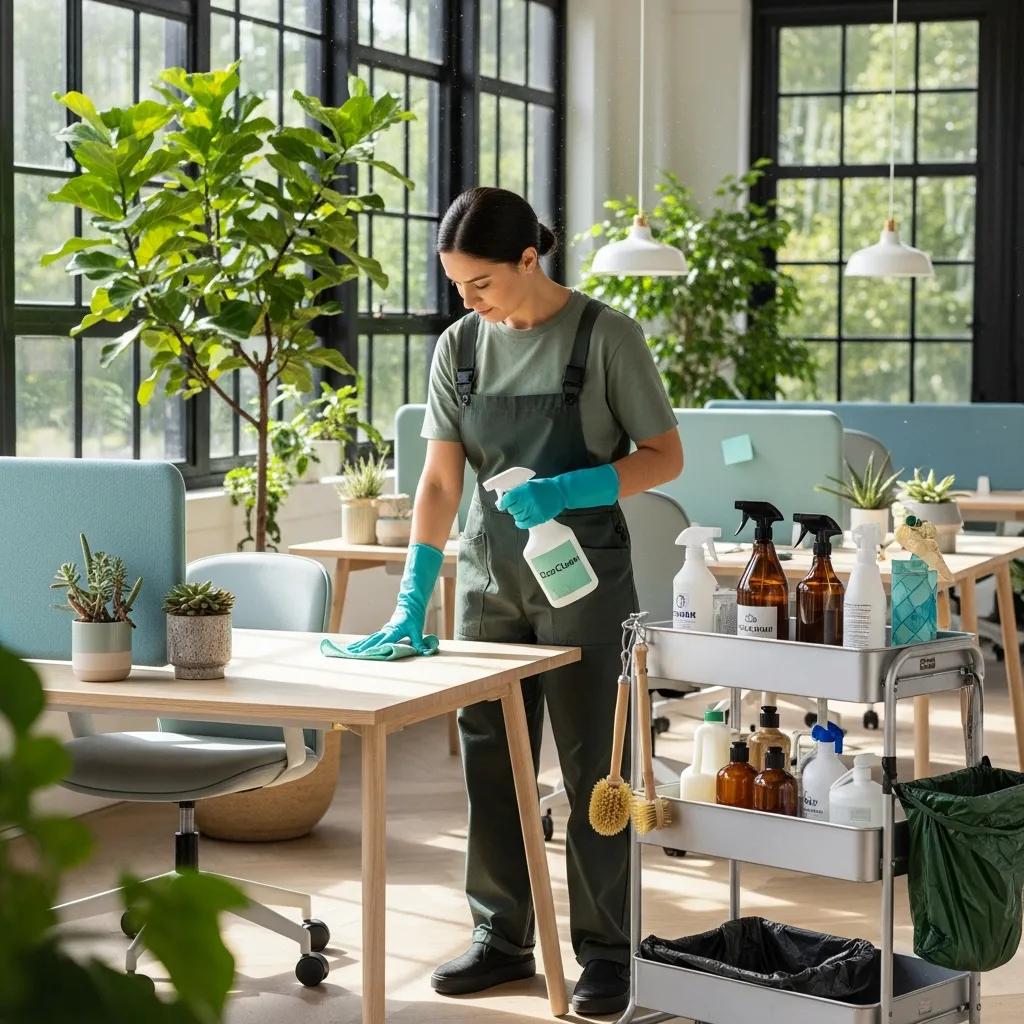
Sustainable Cleaning Solutions for Businesses
Sustainable cleaning uses products, equipment, and procedures that lower environmental impact while keeping workplaces clean and healthy. This guide shows how those practices apply in commercial buildings across Metro Detroit and why facility managers should focus on conserving resources, improving indoor air quality, and choosing verified products. You’ll learn what makes a cleaner “eco-friendly,” which certifications matter, practical water- and energy-saving techniques, and how to quantify business value from green janitorial programs. We also translate procurement, staff training, and waste-management steps into simple checklists and comparison tables to help purchasing decisions. Finally, we highlight local options and explain how McCoy Maintenance Inc. applies these practices for facilities in Macomb, Oakland, and Metro Detroit.
Why Are Sustainable Cleaning Practices Essential for Modern Businesses?
Sustainable cleaning matters because it reduces environmental harm, protects occupant health, boosts reputation, and cuts long-term operating costs. Swapping high‑VOC chemicals for biodegradable alternatives lowers toxic runoff and indoor pollutants without sacrificing cleanliness. These practices help with regulatory compliance and support corporate responsibility goals — and they produce measurable results you can share with tenants, clients, and stakeholders. Below we explain the specific environmental mechanisms that make green cleaning effective and lower operational risk.
In practical terms, sustainable cleaning delivers four clear benefits for modern facilities:
- Smaller environmental footprint: Using fewer harsh chemicals and less water reduces pollution and resource demand.
- Better occupant health: Low‑toxicity products and dust‑control methods cut respiratory triggers for building users.
- Lower operating costs: Efficient equipment and concentrated supplies reduce supply and utility expenses.
- Stronger reputation and CSR alignment: Verifiable green practices support ESG goals and help retain tenants.
These advantages create a measurable business case facility managers can present to leadership.
How Do Sustainable Cleaning Methods Reduce Environmental Impact?
Sustainable cleaning lowers environmental impact by cutting chemical loads, conserving water, and reducing waste through reuse and recycling. Low‑VOC, biodegradable formulas reduce off‑gassing and downstream sewage contamination. Water‑efficient tools — like low‑flow extractors, microfiber systems, and steam cleaners — reduce consumption and the need for heavy chemical dilutions. Simple choices such as concentrated refill dispensers and plant‑based surfactants also limit single‑use plastics and lifecycle impacts. Taken together, these steps shrink operational waste streams and make improvements easier to track.
Those measurable operational gains lead directly into the health benefits green cleaning provides for employees and visitors.
What Are the Health Benefits of Green Cleaning for Employees and Clients?

Green cleaning helps indoor air quality and reduces exposure to common respiratory irritants, which often means fewer sick days and better focus. Replacing fragrance‑heavy, VOC‑rich cleaners with non‑toxic, fragrance‑free options cuts headaches and allergy triggers for sensitive occupants. HEPA filtration and microfiber dust capture lower particulate levels, benefiting people with asthma and allergies. Those health improvements translate into operational ROI — healthier occupants are generally more productive and less likely to leave because of workplace health concerns.
Health outcomes like these also influence tenant satisfaction and buyer perception, which ties back to procurement and certification choices discussed below.
Which Eco-Friendly Commercial Cleaning Products and Certifications Should Businesses Choose?
Choosing eco‑friendly commercial products means prioritizing low‑VOC formulas, ingredient transparency, and independent certification that validates environmental and health claims. Look for non‑toxic, biodegradable surfactants, concentrated refills to cut packaging, and clear labeling that lists active ingredients and biodegradability. Many facilities rely on certification lists to guide procurement and verify manufacturer claims. The table below compares common certifications and the practical signals they send to purchasing teams.
Use this comparison to quickly evaluate products against priorities like occupant safety, environmental impact, and supply‑chain reliability.
| Certification | What It Verifies | Practical Benefit |
|---|---|---|
| Green Seal | Product lifecycle, reduced toxicity, and performance standards | Reduces chemical risk — trusted for institutional purchasing |
| EcoLogo (UL) | Third‑party assessment of environmental impact across categories | Confirms eco‑claims useful for purchasing policies |
| EPA Safer Choice | Ingredient transparency with a human‑health focus | Makes it easier to identify low‑toxicity options |
This table clarifies why procurement teams favor certified products when writing green‑cleaning specifications.
When evaluating products, use a short procurement checklist to confirm fit for purpose:
- Verify third‑party certification and that active ingredients are listed.
- Prefer concentrated formulas and refill/closed‑loop packaging to reduce waste.
- Confirm product compatibility with existing floor and surface maintenance programs to avoid damage.
After running that checklist, summarize procurement priorities: choose certifications that match your facility’s goals — safety, environmental impact, or both — and pilot products on a small scale before full adoption to confirm performance and occupant acceptance.
McCoy Maintenance can source certified eco‑friendly products and integrate them into tailored cleaning plans for facilities across Macomb, Oakland, and Metro Detroit. Our local crews can demo product options during a pilot so you can verify performance without disrupting operations.
What Defines a Cleaning Product as Eco-Friendly or Green?
A product is considered eco‑friendly when it combines low toxicity, biodegradability, and limited environmental persistence with effective cleaning performance. Important features include low or zero VOCs, plant‑based surfactants, minimal fragrances and dyes, and concentrated formulas that reduce packaging waste. Refillable or recycled packaging lowers lifecycle impact, and ingredient transparency lets procurement teams assess safety for sensitive populations. Always request product data sheets to confirm claims before scaling purchases.
Knowing these attributes makes vendor conversations simpler and reduces procurement risk — which is where certifications play a validating role.
Which Certifications Ensure Product Safety and Environmental Responsibility?
Different certifications confirm different aspects of safety and environmental impact, and procurement priority depends on your facility goals. Green Seal focuses on lifecycle and performance and suits institutional buyers seeking both efficacy and safety. EcoLogo (now part of UL) offers broad environmental verification across categories. EPA Safer Choice emphasizes ingredient safety and transparency, making it a good choice when occupant health is the top priority. Prioritize certifications according to whether performance, overall footprint, or ingredient‑level safety is most important.
Quick guideline: choose EPA Safer Choice when health is primary, Green Seal for balanced performance and environmental standards, and EcoLogo for wide category verification.
How Can Businesses Implement Resource-Efficient Cleaning Practices Effectively?
Resource‑efficient cleaning uses equipment and techniques that conserve water and energy while cutting waste and chemical use. Start with an audit of current consumption and cleaning schedules, then introduce targeted changes — microfiber pre‑cleaning, low‑flow extractors, and energy‑efficient floor machines. Training staff on correct dilution, dwell times, and microfiber care multiplies equipment benefits and reduces rework.
| Technique / Equipment | Resource Saved | Typical Use-Case / Value |
|---|---|---|
| Microfiber cleaning systems | Water and chemical reduction | Surface cleaning with less rinsing and fewer chemicals |
| Low-flow extractors | Water reduction | Carpet extraction with lower wastewater volume |
| Energy-efficient vacuums / battery floor machines | Energy and maintenance cost | Daily maintenance in offices and retail spaces |
This equipment comparison highlights scalable choices that produce measurable savings and operational improvement.
Follow a simple rollout to implement resource‑efficient practices:
- Run a baseline audit of water, energy, and chemical use to identify hotspots.
- Pilot one or two changes (microfiber, low‑flow extraction, or scheduling adjustments) in a single area.
- Train staff on new protocols and provide concise checklists to ensure consistent application.
These steps create measurable savings and build the case for a broader rollout once pilots validate results.
What Water and Energy Conservation Techniques Are Used in Sustainable Cleaning?
Conservation in cleaning comes from equipment choices and workflow changes that cut consumption without losing cleanliness. Microfiber captures soils mechanically, reducing water and detergent needs; low‑flow extractors and water‑recovery systems lower rinse volumes during deep cleans. Energy‑efficient vacuums and battery‑powered floor machines reduce electricity use and often lower maintenance costs. Scheduling energy‑intensive tasks outside peak hours can also trim bills and grid strain, especially for heavy floor care.
These tactics deliver tangible savings and make operations more resilient, which ties into waste‑management practices next.
How Does Waste Management and Recycling Enhance Sustainable Cleaning Efforts?
Good waste management complements green cleaning by cutting single‑use consumables, diverting recyclables, and ensuring safe disposal of chemical containers. Set up source segregation for recyclables and compostables, switch to reusable microfiber cloths and mop systems, and use concentrated refill programs to minimize packaging. For chemical containers and hazardous residues, use supplier take‑back programs or approved disposal channels. Clear signage and staff training ensure participation and program integrity.
Operationalizing these practices reduces disposal costs and supports sustainability reporting with measurable metrics stakeholders can trust.
McCoy Maintenance helps local facilities implement resource‑efficient programs — from microfiber systems and low‑water extraction to recycling‑focused janitorial workflows — with phased rollouts and audits to validate savings and occupant satisfaction.
What Role Does Indoor Air Quality Play in Sustainable Office Cleaning Services?
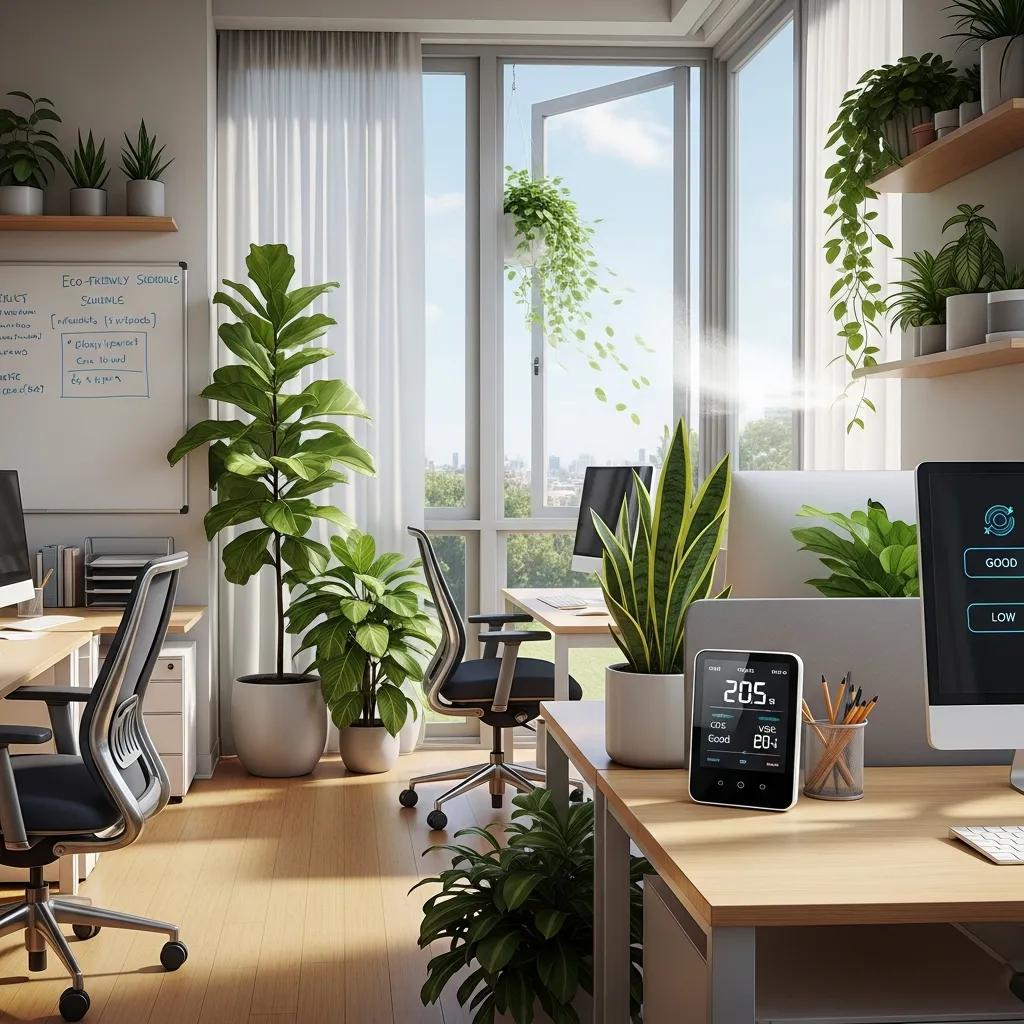
Indoor air quality (IAQ) is a core reason to adopt sustainable cleaning — air exposures directly affect occupant health and perceptions of cleanliness. Green cleaning reduces airborne contaminants by minimizing VOC‑emitting products, using HEPA filtration in vacuums, and employing dust‑capture methods like microfiber that remove particulates instead of dispersing them. Periodic IAQ sampling or proxy metrics such as particulate counts help quantify improvements and support communication with tenants and staff. The sections below explain how these practices cut airborne contaminants and why IAQ matters for productivity and health.
Improving IAQ through cleaning also complements broader building health efforts, including ventilation and source control.
How Do Green Cleaning Practices Improve Indoor Air Quality?
Green cleaning improves IAQ by lowering VOC emissions and removing particulates with better capture technologies. Low‑VOC, non‑aerosol products reduce chemical off‑gassing, while HEPA vacuums and microfiber systems remove fine dust and allergens more effectively than standard tools. Steam cleaning can sanitize without chemical residues in many cases, and regular filtration maintenance prevents HVAC systems from reintroducing particulates. Together, these steps reduce airborne contaminant loads and create a more comfortable environment for sensitive occupants.
Useful monitoring tactics include tracking particulate levels and documenting before‑and‑after changes to validate IAQ improvements for stakeholders.
Why Is Indoor Air Quality Important for Employee Health and Productivity?
Better indoor air reduces respiratory irritation, headaches, and allergy symptoms, which leads to fewer sick days and sharper focus among employees. Industry studies show IAQ improvements often correspond with measurable productivity gains and lower absenteeism, helping managers quantify ROI from cleaner environments. Sharing IAQ results with tenants or staff builds perceived value and supports retention. Tracking metrics — reduced VOC use or lower particulate counts — helps link cleaning investments to business outcomes.
Those IAQ gains frequently motivate broader sustainability investments and shape procurement and training priorities for cleaning programs.
McCoy Maintenance applies IAQ‑focused practices — HEPA‑filter vacuums, low‑VOC and fragrance‑free product options, and microfiber dust‑capture protocols — across commercial services for Metro Detroit clients. Our teams tailor IAQ measures by facility type and can demonstrate outcomes through on‑site reviews and client feedback.
How Does McCoy Maintenance Incorporate Sustainable Cleaning Practices in Metro Detroit?
McCoy Maintenance Inc. provides customizable janitorial and commercial cleaning solutions with eco‑friendly product choices, flexible scheduling, and trained staff to implement green protocols across Macomb, Oakland, and Metro Detroit. Family‑owned since 1984 and locally focused, we act as a partner to facility managers looking to pilot green programs, run ongoing sustainable cleaning plans, or arrange day‑ or night‑time service. Our commitments — a 100 percent satisfaction guarantee, background‑checked professionals, and the option to use eco‑friendly products — support organizations moving to greener maintenance without operational disruption.
What Customized Green Cleaning Plans Does McCoy Maintenance Offer?
We design green cleaning plans that may include routine janitorial services, carpet and upholstery green cleaning, targeted IAQ programs, and construction cleaning using lower‑impact methods. Plans are customizable by frequency, scope, and product choice and can be scheduled day or night to reduce disruption. Common components include microfiber cloth programs, low‑flow carpet extraction, HEPA vacuuming, and documented checklists for quality assurance. Facilities can start small — a single floor or tenant area — and scale services as results become measurable.
Training and verification steps ensure protocols are followed and performance targets are met during rollout and ongoing service.
How Are Staff Trained and Certified in Sustainable Janitorial Solutions?
Training emphasizes correct dilution and handling of low‑VOC products, microfiber care, HEPA vacuum operation, and proper waste segregation. McCoy Maintenance hires background‑checked, professional staff and maintains quality through client feedback and on‑the‑job verification. Training typically includes live demonstrations, written procedures, and periodic refreshers to sustain consistency and adapt to new products or equipment. These investments reduce rework, protect building assets, and ensure sustainable protocols deliver both health and cost benefits.
Well‑trained teams also generate clearer documentation for sustainability reporting and tenant communications.
What Are the Business Benefits of Adopting Sustainable Cleaning Practices?
Adopting sustainable cleaning yields measurable benefits across cost control, employee health, reputation, and regulatory risk reduction. Cleaner indoor environments lower absenteeism and improve productivity, while efficient equipment and concentrated supplies cut operating expenses. Sustainability practices support CSR reporting and tenant retention by demonstrating a commitment to health and the environment. The table below links key benefits to common metrics so decision‑makers can quantify expected outcomes for budgeting and reporting.
Use this benefits table to connect sustainability initiatives with measurable KPIs decision‑makers track.
| Benefit | Metric / Mechanism | Example Value / KPI |
|---|---|---|
| Reduced chemical and water costs | Lowered supply volume | Percent reduction in monthly supply spend |
| Improved employee attendance | Fewer sick days | Reduced absenteeism rate (days per employee) |
| Extended asset life | Less abrasive maintenance | Longer intervals between surface replacement |
| Stronger CSR perception | Reportable sustainability metrics | Tenant retention rate or satisfaction score |
Mapping benefits to KPIs helps make the financial and reputational case for green cleaning investments.
Sustainable cleaning also creates communication assets for marketing and ESG reporting. Here are practical talking points facilities teams can use when briefing stakeholders:
- Reduced environmental impact: Show lower chemical use and waste volumes.
- Health‑first approach: Explain how IAQ measures and low‑toxicity products protect occupants.
- Operational savings: Highlight reduced utility and supply costs over time.
How Does Sustainable Cleaning Enhance Corporate Social Responsibility and Brand Reputation?
Sustainable cleaning strengthens CSR by delivering measurable reductions in chemical use, waste, and energy consumption that can be reported. Metrics — such as gallons of cleaning solution avoided, percentage of recyclable waste diverted, or IAQ improvements — give credibility to environmental claims. Sharing measured outcomes, not just intentions, builds trust with tenants and clients and sets organizations apart from peers using conventional methods. Aligning cleaning practices with broader ESG goals also supports procurement and leasing strategies that increasingly favor sustainability.
Those reputation benefits often translate into indirect financial gains through improved tenant retention and attraction.
What Cost Savings and Productivity Gains Result from Green Cleaning?
Cost savings come from concentrated formulas and reduced product use, lower water and energy bills from efficient equipment, and reduced maintenance costs from gentler cleaning methods that extend asset life. Productivity gains appear as fewer sick days and improved cognitive performance in lower‑toxicity, better‑ventilated spaces. Facilities can estimate ROI by combining direct savings on supplies and utilities with indirect benefits like reduced absenteeism; conservative frameworks often show payback in one to three years depending on scale and capital investments (for example, battery floor machines).
To begin, pilot one or two measures, document results, and scale based on verified savings and occupant feedback.
For facilities in Macomb, Oakland, and Metro Detroit looking for a local partner, McCoy Maintenance Inc. offers green cleaning consultations and custom plans. To discuss pilots, product options, or scheduling flexibility, call McCoy Maintenance at (586) 777-9022 or request a consultation at our local office: 17021 Stephens Road, Eastpointe, MI. Services include office cleaning, janitorial services, commercial and residential carpet and upholstery cleaning, floor maintenance, fogging, and construction cleaning — with eco‑friendly products available on request.
Frequently Asked Questions
What are the initial steps for a business to transition to sustainable cleaning practices?
Start with an audit of current cleaning methods, products, and resource use to identify quick wins. Research certified eco‑friendly products that match your needs, then run pilot programs to test performance and collect staff feedback. Finally, train your team on new protocols and explain the benefits so staff buy in and the change sticks.
How can businesses measure the effectiveness of their sustainable cleaning practices?
Track KPIs like reduced chemical purchases, lower water and energy bills, and IAQ indicators. Conduct regular audits to check protocol compliance and gather employee feedback on health and comfort. Use absenteeism and tenant satisfaction scores to assess broader impact, and document results to communicate value to stakeholders.
What challenges might businesses face when implementing sustainable cleaning practices?
Common challenges include resistance to change, higher upfront costs for greener products or equipment, and finding reliable suppliers. Overcome these by communicating long‑term benefits, investing in training, and starting with small pilots that demonstrate cost and health improvements before scaling.
How can businesses ensure compliance with environmental regulations in their cleaning practices?
Stay current on local, state, and federal rules regarding cleaning products and waste disposal, and use certified eco‑friendly products where appropriate. Keep records of product use and provide regular compliance training for staff. Partnering with a reputable provider that prioritizes sustainability can also help ensure regulatory adherence.
What role does employee training play in the success of sustainable cleaning initiatives?
Training is essential: it ensures staff know how to use green products correctly, maintain equipment, and follow waste‑segregation protocols. Well‑trained employees reduce mistakes, protect building surfaces, and help deliver the expected health and cost benefits. Ongoing refreshers keep practices consistent as products and equipment evolve.
How can businesses promote their sustainable cleaning efforts to clients and stakeholders?
Share measurable outcomes and success stories through sustainability reports, newsletters, and social channels. Highlight specific metrics — reduced chemical use, IAQ improvements, cost savings — and invite stakeholder feedback. Display certifications and partner logos to reinforce credibility.
Conclusion
Implementing sustainable cleaning improves environmental performance, employee health, and operational efficiency. By choosing eco‑friendly products and resource‑efficient methods, businesses can save money and strengthen their brand. Working with a local partner like McCoy Maintenance can make the transition smoother — with tailored plans, pilots, and trained crews ready to help. Start the move toward a cleaner, healthier workplace by exploring our customized green cleaning solutions today.