
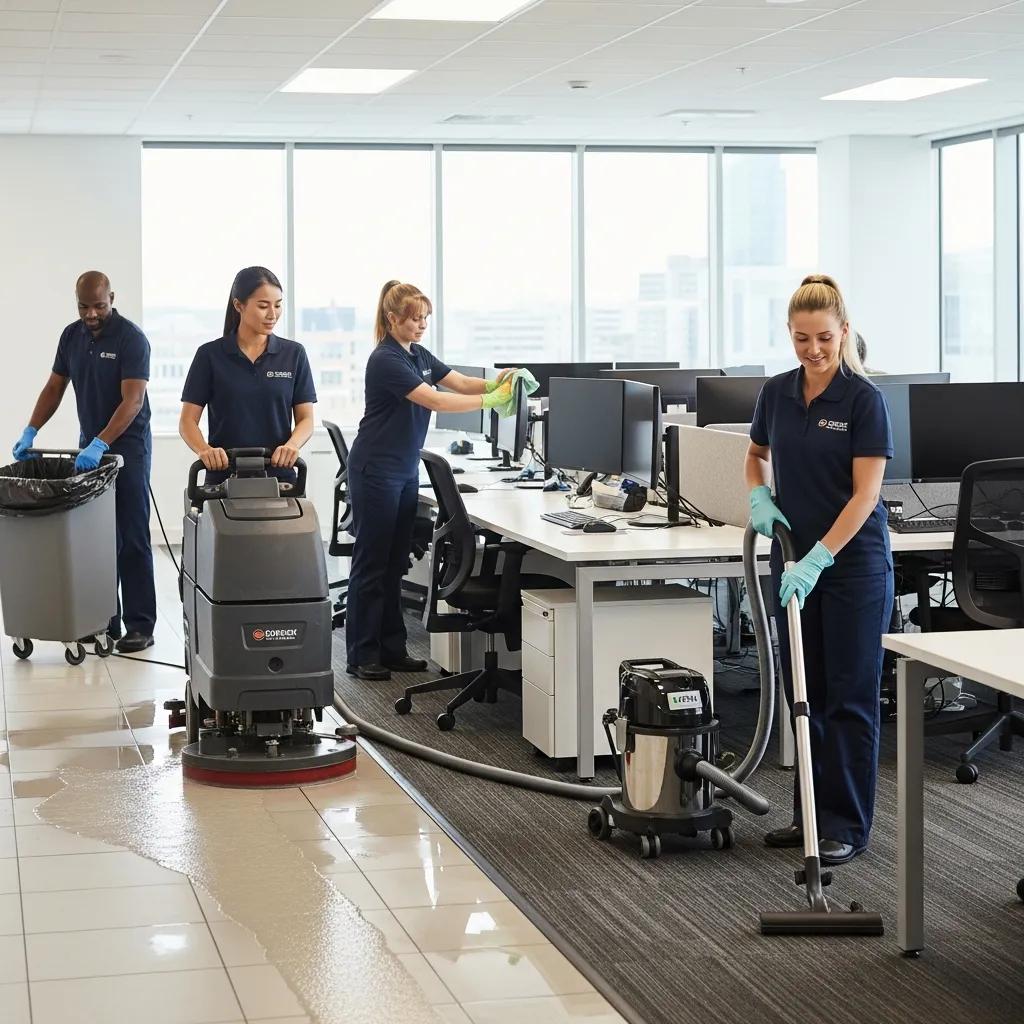
Navigating the Commercial Cleaning Landscape: A Comprehensive Guide
Picking a dependable commercial cleaning vendor is a strategic decision: it protects occupant health, preserves your facility, and keeps operations running. This guide walks facility managers and business owners through a step-by-step selection process—covering needs assessment, vendor evaluation, contract negotiation, interview questions, and the trends shaping cleaning in 2025 and beyond. You’ll learn how to match scope to facility type, confirm licensing and insurance, compare pricing approaches, and build Service Level Agreements that create accountability. Working with a local partner can make logistics easier; for example, McCoy Maintenance Inc. serves Macomb, Oakland, and Metro Detroit with office cleaning, carpet and upholstery care, and tailored plans that reflect the advice below. The article is organized into practical steps: diagnosing your facility’s needs, vendor evaluation criteria, negotiation tactics, vetting questions, a local vendor profile, and market trends to consider. Keywords like janitorial provider selection, cleaning company choice, and commercial cleaning contract negotiation are woven in to help procurement teams find the right fit.
What are your facility’s specific commercial cleaning needs?
Start by identifying facility type, occupancy patterns, and high-touch areas—these factors determine scope and frequency. Think of cleaning as part of facilities maintenance: list public spaces, back-of-house areas, and specialty zones (labs, kitchens, healthcare-adjacent rooms) so you can set priorities and safety rules. A right-sized scope lowers infection risk and protects finishes—regular floor, carpet, and upholstery care prevents premature replacement and reduces lifecycle costs. This section helps you map building characteristics to common services and cost drivers so vendor proposals are comparable and measurable.
How to assess your facility type and size for cleaning services
Categorize your facility to identify typical services and complexity. Offices usually need daily surface cleaning and trash removal; retail requires frequent floor and restroom attention; industrial sites demand specialized equipment and safety procedures. Square footage and layout affect labor estimates—open plans are faster to service per square foot than dense cubicle arrangements or multi-level buildings that need stairwell and elevator work. Surfaces add complexity: carpets, hard floors, and upholstery each need different maintenance schedules. Use this assessment to build an objective scope of work vendors can price against so bids reflect actual labor and materials needs.
Which cleaning frequency and scope best suit your business?
Set cleaning frequency based on occupancy, risk, and hours of operation: high-traffic retail and healthcare-adjacent facilities usually require daily or nightly service, while low-occupancy offices may be fine with several weekly visits plus periodic deep cleaning. Specialty services—commercial carpet cleaning, floor maintenance, and construction cleanup—are scheduled by wear patterns or events, not daily routines. Consider hybrid schedules that separate routine janitorial tasks from cyclical services to control costs and limit disruption. Define triggers for deep cleaning (seasonal changes, post-construction) so vendors include those items in bids instead of treating them as ad-hoc extras.
Different facility types need different services and have distinct cost drivers.
| Facility Type | Typical Services Required | Frequency / Example Cost Drivers |
|---|---|---|
| Office | Surface cleaning, trash removal, restrooms, hard-floor care | Daily or nightly; staffing levels are the main labor cost |
| Retail | Floor care, restrooms, frequent high-touch disinfection | High foot traffic increases visits and consumable use |
| Industrial/Warehouse | Heavy floor maintenance, debris removal, safety protocols | Irregular but intensive; equipment and PPE add cost |
| Healthcare-adjacent | Enhanced disinfection, high-touch zone cleaning, carpet care | Strict protocols and higher-grade disinfectants raise prices |
What essential criteria should you use to evaluate commercial cleaning vendors?
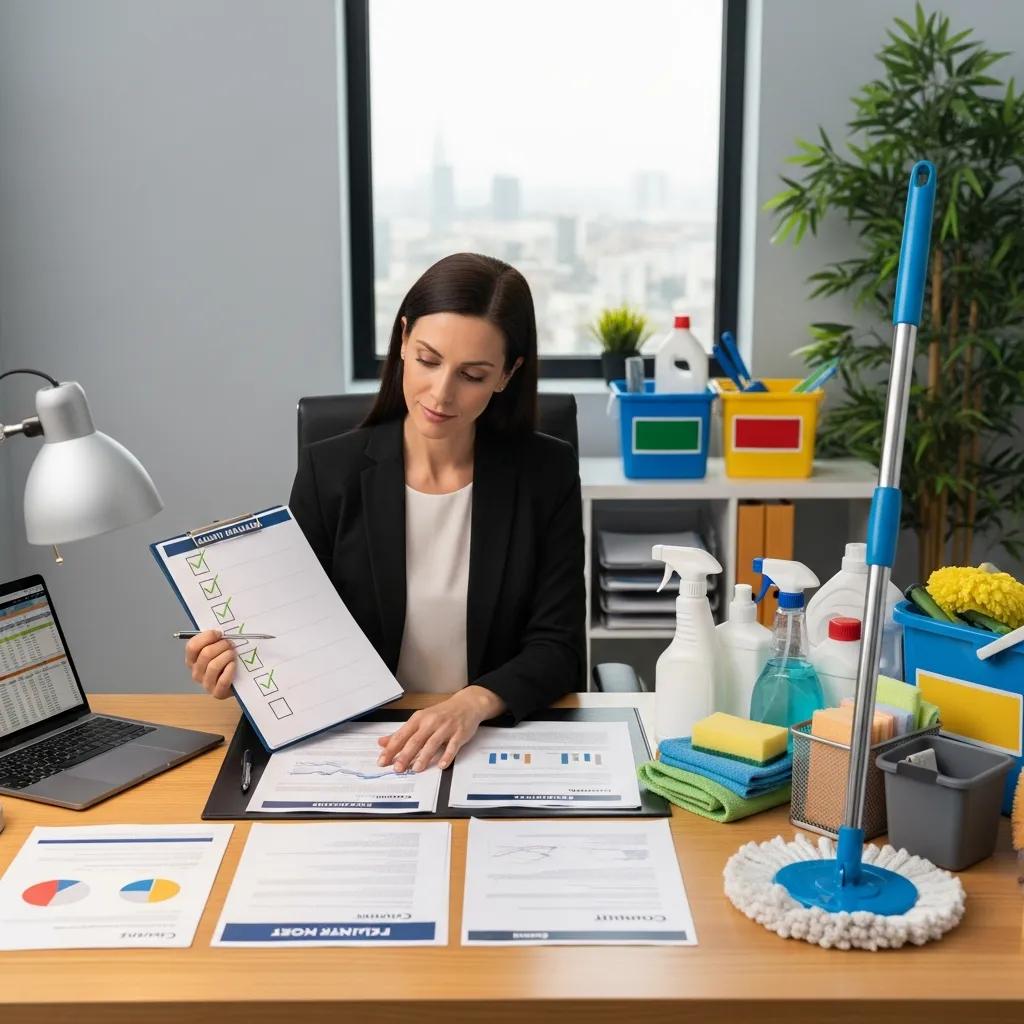
Choose a vendor using a balanced checklist that covers risk, quality, and value: confirm credentials, review staff training and screening, check equipment and green-cleaning options, and evaluate references and performance history. The best comparisons use verifiable items—licensing, insurance, training, equipment condition, product safety data, and guarantees—so bids are apples-to-apples. Vendors that offer tailored plans, background-checked teams, and eco-friendly choices typically line up with buyer priorities for safety and sustainability. Prioritizing these factors reduces liability, supports consistent results, and finds a partner that can scale with changing facility needs.
Top vendor evaluation points for quick reference:
- Licensing and insurance: Verify business licenses and appropriate liability coverage.
- Training and background checks: Confirm staff receive ongoing training and are screened.
- Equipment and products: Check for modern equipment and eco-friendly product options.
- SLA and guarantees: Look for measurable service levels and satisfaction guarantees.
- References and local presence: Confirm local references and responsiveness for on-site needs.
Using this checklist focuses comparisons on verifiable attributes and measurable outcomes that matter to facility managers.
| Vendor Attribute | Attribute Detail | Value / Example |
|---|---|---|
| Experience | Years in business and regional track record | Example: family-owned provider with long local presence |
| Insurance | General liability and workers’ compensation | Request certificates of insurance and coverage limits |
| Training | Topics covered and refresh frequency | Chemical handling, equipment use, infection control |
| Sustainability | Green product and program options | Availability of eco-friendly cleaning solutions |
Why experience, licensing, and insurance matter in vendor selection
Experience signals operational maturity and familiarity with different facility types, which shortens onboarding and boosts consistency. Licensing shows legal compliance, while proper insurance transfers specific risks—general liability and workers’ comp—away from you. Ask vendors for business licenses and certificates of insurance, and verify coverage dates and limits when possible. Missing documentation is a red flag; require verification before signing to avoid uncovered incidents or service interruptions.
How do staff training and background checks ensure quality and safety?
Staff competence and vetting directly affect service quality, on-site safety, and trust. Documented training in chemical handling, equipment operation, and infection control reduces errors and incidents. Background checks and ID verification protect occupants and assets and show the vendor’s commitment to accountability. Quality assurance—regular inspections, supervisor oversight, and client feedback—turns training into measurable performance. Ask for training outlines, refresher schedules, and sample QA reports to confirm policies are implemented consistently.
How can you understand and negotiate commercial cleaning contracts effectively?

A clear cleaning contract spells out scope, frequency, staffing, supplies, performance metrics, pricing model, and remedies for underperformance—these form the backbone of an enforceable Service Level Agreement (SLA). Negotiations should remove ambiguity, set inspection and reporting cadences, and allow flexibility for event cleaning or emergency disinfection. Knowing pricing models—per-square-foot, hourly, and flat-rate—helps you compare bids and spot hidden costs for specialty work. Use the contract-element mapping below to guide negotiations and align terms with operational goals.
Negotiation checklist: map contract elements to the protections you want.
- Scope of Work: List tasks, surfaces, and exclusions.
- Frequency and Schedule: Specify days, times, and access needs.
- Pricing Model: Define how extras are billed and the approval process.
- Quality Metrics: Include inspection scores and response-time targets.
- Termination and Renewal: Clarify notice periods and exit conditions.
| Contract Element | Typical Clause / Value | Negotiation Checkpoint |
|---|---|---|
| Scope of Work | Detailed task list with exclusions | Confirm all services and specialty tasks are listed |
| Frequency | Daily / nightly / weekly schedule | Verify exact days, times, and after-hours access |
| Pricing Model | Per-square-foot / hourly / flat-rate | Compare inclusions and identify add-on charges |
| SLA Metrics | Inspection score targets and response times | Set measurable KPIs and remedies for misses |
What are the key elements of a commercial cleaning service agreement?
A solid agreement clearly defines scope, schedules, staffing levels, and who supplies materials. It should spell out quality metrics, inspection and reporting requirements, escalation paths, onboarding timelines, and training expectations for on-site staff. Include remedies—service credits or corrective action plans—if SLA targets aren’t met, and set regular performance reviews. Measurable SLAs (inspection score thresholds, response times for urgent issues) turn subjective expectations into enforceable terms.
How do different pricing models affect your cleaning contract?
Pricing affects predictability and cost control. Per-square-foot pricing suits consistent spaces; hourly billing offers flexibility for variable tasks; flat-rate contracts simplify budgeting but may hide scope changes. Watch for line items that exclude consumables, specialty equipment, or after-hours work—these often show up as add-ons. Negotiate bundled pricing for routine and periodic services to lower per-visit costs, and require pre-approval for work outside the agreed scope. Understanding trade-offs helps you choose the model that balances cost, control, and accountability.
What important questions should you ask potential commercial cleaning companies?
Targeted questions reveal a vendor’s operational maturity, risk controls, and responsiveness. Start by confirming licenses and insurance, then dig into staffing, training, equipment, and escalation procedures. Use a structured questionnaire during site visits and follow up with reference checks to validate claims. The sample question set below covers operations, safety, sustainability, and client support to guide procurement interviews.
When interviewing vendors, focus on reliability, safety compliance, and communication.
- What documentation can you provide for licensing and insurance?
- How are staff hired, trained, and supervised while on site?
- What is your process for handling quality issues and emergency cleanups?
- Which cleaning products and equipment do you use, and are eco-friendly options available?
- Can you provide local client references and sample inspection reports?
Which operational and service delivery questions reveal vendor reliability?
Reliability shows up in staffing backups, scheduled supervisor visits, and clear inspection routines. Ask how the vendor handles absences, peak demand, and holidays to avoid service gaps. Request sample inspection checklists and the cadence of supervisory audits to see oversight levels. Validate claims with references and, if possible, unannounced site visits during a trial. Reliable vendors bring documented contingency plans and transparent reporting, which reduce surprises and keep service steady.
What safety, environmental, and client support questions ensure compliance and satisfaction?
Ask about safety protocols—chemical safety data sheets, PPE use, and incident reporting—that meet OSHA and local rules. Request product SDS sheets and details on eco-friendly options. Client support questions should cover communication channels, escalation paths, and expected response times for urgent requests. Vendors that deliver structured incident reports and proactive updates typically demonstrate stronger compliance and higher client satisfaction.
Why is McCoy Maintenance a strong commercial cleaning partner in Metro Detroit?
McCoy Maintenance Inc. is a family-owned commercial cleaning company serving Macomb, Oakland, and Metro Detroit. Their services match the evaluation criteria above: office cleaning, janitorial services, commercial and residential carpet cleaning, upholstery cleaning, floor maintenance, fogging, and construction cleanup. McCoy emphasizes customized plans, professionally trained and background-checked staff, local responsiveness, and a 100% satisfaction guarantee—features you can weigh in SLA discussions and procurement scoring. For buyers seeking a locally based, full-service provider, McCoy illustrates how vendor capabilities align with what facility managers need.
McCoy Maintenance’s offerings and value points reflect buyer priorities and show how a local partner can meet operational needs:
- Local coverage makes on-site response faster and scheduling periodic services easier.
- A family-owned focus tends to favor long-term relationships and tailored plans.
- Providing both daily janitorial work and specialty services like carpet cleaning and fogging reduces the need for multiple vendors.
This profile shows how vendor attributes translate into contractual and operational benefits for businesses in Metro Detroit.
How does McCoy Maintenance’s local expertise benefit your business?
Local presence shortens response times for emergency cleanups and simplifies scheduling for periodic services like commercial carpet cleaning and floor maintenance. Familiarity with Macomb and Oakland facility types helps tailor plans to local building norms, and nearby references are easier to check. A regional provider streamlines coordination for construction cleaning and fogging and reduces administrative friction during onboarding. Choosing a local vendor with documented guarantees and customizable plans makes oversight easier and speeds corrective action when needed.
What customized and sustainable cleaning solutions does McCoy offer?
McCoy Maintenance offers customized cleaning plans, flexible scheduling, and eco-friendly options backed by quality equipment and trained staff. These options let clients request green-product alternatives, schedule work to minimize disruption, and bundle routine janitorial services with periodic tasks like upholstery and carpet cleaning. Bundling reduces vendor management complexity and can clarify contract pricing. When negotiating, ask McCoy how sustainability practices are documented and request product information to validate green claims.
What are the latest trends in commercial cleaning for 2025 and beyond?
In 2025 the market emphasizes sustainability, health-focused cleaning, and technology integration. Prioritize vendors that can show eco-friendly product options and measurable disinfection protocols. Tools like electrostatic sprayers, UV-C devices, and digital monitoring can boost efficiency and accountability when used correctly and validated against health guidance. Data-driven cleaning—using sensors and activity-based schedules—cuts costs while keeping high-traffic zones hygienic. These trends shift procurement from simple price comparisons toward value assessments that include health outcomes and long-term asset protection.
Key trends shaping vendor selection and contracts:
- Verified sustainability and green-cleaning standards.
- Adoption of disinfection technology and health-driven protocols.
- Use of digital tools for monitoring, reporting, and scheduling.
How are sustainable and eco-friendly practices shaping commercial cleaning?
Green cleaning emphasizes low-VOC products, concentrated dosing systems, and microfiber tools that cut chemical use and waste without sacrificing performance. Ask for product certifications and material safety data sheets to verify sustainability claims rather than relying on marketing language. Contracts can include product categories, waste-reduction targets, and periodic environmental reviews. Sustainability lowers occupant exposure to harsh chemicals and supports corporate environmental goals—making it a worthwhile procurement criterion.
What role do technology and health-driven cleaning play in modern services?
Technology improves consistency and transparency. Electrostatic sprayers and UV-C are useful adjuncts when applied per manufacturer and public-health guidance, and digital reporting platforms provide time-stamped proof of completed tasks. Ask vendors how they validate technology effectiveness and whether they follow current disinfection guidance—demand measurable outcomes, not just equipment lists. Combined with trained staff and written protocols, technology supports scalable, health-focused cleaning programs that fit modern facility risk management.
- Prioritize measurable outcomes: Require SLAs and inspection results instead of unverified claims.
- Validate sustainability: Ask for documentation on green-product use and waste reduction.
- Assess technology integration: Confirm how tech is validated and used in daily procedures.
These practical steps help procurement teams turn trends into contract language and operational checks that protect health and budget.
| Facility Type | Typical Services Required | Frequency / Cost Drivers |
|---|---|---|
| Office | Janitorial and floor maintenance | Staffing and after-hours access |
| Retail | High-touch disinfection and floor care | Foot traffic and consumable use |
| Construction cleanup | Debris removal and final detail cleaning | Project timing and equipment needs |
Frequently Asked Questions
What should I consider when evaluating the cost of commercial cleaning services?
Consider facility size and type, required cleaning frequency, and the services included in the contract. Pricing models—per-square-foot, hourly, or flat-rate—affect your budget differently. Watch for hidden costs like specialty services or consumables that aren’t in the base quote. Compare multiple bids that match the same scope to make a fair cost assessment.
How can I ensure the cleaning vendor adheres to safety and health regulations?
Request documentation of OSHA compliance and local health-code adherence. Ask about staff training on chemical handling and safety protocols, and review incident reporting procedures for hazardous materials. Include regular audits or inspections in your SLA to keep compliance transparent and enforceable.
What are the benefits of using eco-friendly cleaning products?
Eco-friendly products reduce exposure to harsh chemicals, improving indoor air quality for employees and visitors. Many are biodegradable and better for the environment, supporting sustainability goals. Effective green options can maintain hygiene standards while enhancing your company’s reputation and potentially lowering long-term health-related costs.
How can technology improve the efficiency of commercial cleaning services?
Technology—digital monitoring, automated scheduling, and advanced equipment like electrostatic sprayers—enables real-time tracking of tasks and greater accountability. Data-driven scheduling optimizes resources based on usage patterns, cutting waste and cost. Properly integrated tech helps vendors deliver more consistent service and better meet facility needs.
What should I include in a Service Level Agreement (SLA) with a cleaning vendor?
An SLA should list the scope of work, cleaning frequency, performance metrics, and quality-assurance processes. Define tasks, expected outcomes, and penalties for missed targets. Include communication, reporting, and escalation procedures so both parties are clear on responsibilities and remedies.
How can I assess the reliability of a commercial cleaning vendor?
Look at experience, client references, and performance history. Request licensing and insurance documents and review staff training and supervision practices. Site visits during trial periods reveal operational habits. Ask for examples of quality-control measures and emergency response procedures—transparent, proven practices point to reliable providers.
Conclusion
Choosing the right commercial cleaning vendor keeps your workplace healthy, protects assets, and supports smooth operations. By clarifying your needs and evaluating partners against clear criteria, you’ll make informed decisions that safeguard people and property. If you’d like a locally based option, McCoy Maintenance offers tailored solutions for Metro Detroit businesses. Start the process with a clear scope and checklist—you’ll reach a cleaner, safer environment faster.