Seasonal Deep Cleaning Services for Commercial Properties: Practical, Reliable Solutions for Metro Detroit Businesses
Seasonal deep cleaning is a planned, twice‑yearly service—usually in spring and fall—that removes built-up grime, refreshes finishes, and improves indoor air quality so your building is ready for the coming season. This guide explains what commercial seasonal deep cleaning covers, how it differs from everyday janitorial services, and why Metro Detroit businesses, from Royal Oak to Sterling Heights, benefit from scheduled spring and fall refreshes. Facility managers will find practical checklists, scheduling tips, health and safety considerations, and industry-specific advice for offices, medical clinics, schools, retail, and light industrial sites. As a leading commercial cleaning company, we also cover advanced disinfection and fogging options, eco-friendly product choices, and lifecycle advantages like extended carpet and floor life. Finally, you’ll get a clear process breakdown, sample service components, and simple next steps to request a site-specific estimate in Macomb County, Oakland County, and the greater Metro Detroit area.
What Are Seasonal Deep Cleaning Services for Commercial Properties?
Seasonal deep cleaning is a targeted, higher‑intensity cleaning event that reaches soils and hidden trouble spots routine janitorial work doesn’t address. Performed around spring and fall transitions, these services use a mix of mechanical and manual methods to remove winter salt, spring pollen, and accumulated grit. The goal is to restore surfaces—carpets, hard floors, windows, vents—and reduce microbial loads in high‑touch and high‑traffic areas so HVAC systems and indoor air quality perform efficiently. For Metro Detroit properties, seasonal deep cleaning also protects building materials from local weather stress and gets spaces ready for peak occupancy.
Seasonal packages typically include these core tasks:
- Hot‑water carpet extraction with stand‑up drying to lift embedded grit and allergens.
- Hard‑floor strip, scrub, and buff cycles to remove winter abrasion and restore finish. For comprehensive floor maintenance, our team ensures lasting results.
- High‑ and low‑level dusting, including HVAC vents and light fixtures.
- Interior (and accessible exterior) window washing to maximize daylight and curb appeal.
- Targeted disinfection of high‑touch surfaces to lower pathogen transmission.
These tasks combine specialized equipment, professional detergents, and targeted disinfection to deliver measurable IAQ and aesthetic improvements. The next section contrasts seasonal deep cleaning with regular commercial cleaning so you can choose the right approach for your facility.
How Does Seasonal Deep Cleaning Differ from Regular Commercial Cleaning?
Seasonal deep cleaning differs from routine commercial cleaning in scope, frequency, equipment, and outcomes. Regular janitorial work focuses on daily or weekly upkeep—trash removal, surface wipe‑downs, spot vacuuming—while deep cleaning uses specialized machines (hot‑water extractors, autoscrubbers, HEPA vacuums) to remove embedded soils and allergens. Routine services run continuously; deep cleans are planned, periodic interventions timed around seasonal changes to address cumulative wear. The results are different too: deep cleaning restores finishes, removes stubborn contaminants, and establishes a documented baseline for asset condition—outcomes routine cleaning alone won’t deliver. For businesses in Novi or Rochester Hills, choosing the right office cleaning company is crucial for both daily upkeep and periodic deep interventions.
Combining steady day‑to‑day maintenance with scheduled deep interventions gives the best balance of appearance, occupant health, and long‑term cost efficiency for commercial properties.
Which Commercial Properties Benefit Most from Seasonal Deep Cleaning?
Some property types benefit especially from seasonal deep cleaning because of heavy use, regulatory demands, or occupant sensitivity. Offices in areas like Troy or West Bloomfield gain healthier workspaces and better first impressions when carpets and ventilation systems are serviced before busy periods. Medical facilities need rigorous disinfection and air quality control; seasonal deep cleaning helps meet those standards by focusing on vents, waiting rooms, and exam areas. Schools and childcare centers reduce allergens and pathogens after winter, helping lower infection spread and improving learning environments. Retail and hospitality venues restore visual impact and customer experience through window cleaning and floor restoration, while light industrial sites require degreasing and dust control to protect equipment and safety. Our commercial cleaning services ensure your property maintains its best appearance. Those priorities drive method choices—carpet extraction for retail, hospital‑grade disinfectants for clinics, heavy‑duty degreasers for industrial spaces—so seasonal scopes are tailored to each facility’s risks and goals.
Why Is Seasonal Office Deep Cleaning Essential for Business Health and Productivity?
Seasonal deep cleaning supports health, productivity, and asset care by removing pollutants routine cleaning misses. Clearing allergens, particulates from HVAC systems, and soiled surfaces reduces respiratory irritation and can lower employee sick days—helping keep staff present and productive. Restoring floors, carpets, and upholstery preserves a professional appearance that affects client impressions and employee morale. Addressing wear‑and‑tear during scheduled deep cleans—like applying protective finishes or spot‑treating stains—extends the life of flooring and fixtures, cutting replacement costs over time. For businesses in Detroit or Auburn Hills, investing in professional office cleaning is a strategic move for long-term health and asset preservation.
Timing matters: spring removes winter residue and allergens, while fall prepares spaces for heavy indoor use and winter stress. The sections below outline specific seasonal advantages. For an office cleaning company in Macomb County, understanding these seasonal needs is key.
What Are the Key Benefits of Spring Cleaning for Commercial Properties?
Spring deep cleaning strips away winter grime and allergens, boosting indoor air quality as buildings switch back to cooling. Carpet extraction and HEPA vacuuming reduce dust‑mite and pollen loads, while window washing restores daylight and improves mood. Floor restoration prepares high‑traffic surfaces for increased summer use and events, protecting finishes from abrasive soils. Together, these tasks reduce short‑term health complaints and create a refreshed environment that supports productivity and a positive visitor experience. Many commercial cleaning companies in Wayne County offer these services.
Spring‑specific actions—like HVAC filter checks and upholstery cleaning—deliver immediate comfort gains and set a cleaner baseline for routine maintenance through the year. Next, we explain how fall preparation protects the building heading into winter.
How Does Fall Facility Deep Cleaning Prepare Buildings for Winter?
Fall deep cleaning prepares buildings for colder months by removing exterior contaminants, optimizing HVAC performance, and protecting floors before winter abrasion begins. Cleaning vents, coils, and accessible ductwork reduces dust and spores that would otherwise circulate once heating starts, improving system efficiency and indoor air quality. Exterior power washing and gutter clearing remove salt and organic buildup that accelerate material degradation during freeze‑thaw cycles. Proactive floor finish restoration and entry‑mat strategies help limit salt and grit damage, preserving finishes and avoiding costly repairs. This is a crucial service for any commercial cleaning company in Oakland County.
What Does McCoy Maintenance’s Seasonal Deep Cleaning Process Include?
Our seasonal deep cleaning follows a clear, documented process: a site assessment, a tailored scope and schedule, execution using specialized methods, and post‑clean quality checks with documentation. The technical assessment identifies substrates, traffic patterns, health risks, and any compliance needs; our technicians then recommend methods—hot‑water carpet extraction, floor strip/scrub/buff, professional window systems, and targeted disinfection—based on those findings. Quality control includes a post‑clean walkthrough, documented outcomes, and a satisfaction‑focused follow‑up to ensure we met your objectives. McCoy Maintenance is family‑owned and based in Eastpointe, MI; we prioritize reliability, customized plans, and experienced staff led by a certified Master Cleaner, and we offer eco‑friendly options where appropriate.
The table below summarizes typical process components, method choices, and expected outcomes for seasonal deep cleaning tasks.
| Component | Method | Expected Outcome |
|---|---|---|
| Carpet | Hot‑water extraction with pre‑conditioning | Removes embedded soil and allergens; restores pile appearance |
| Hard floors | Strip, scrub, and buff using the correct pad and finish | Restores gloss and shields the substrate from abrasion |
| Dusting & vents | HEPA vacuuming and microfiber high‑dusting | Reduces airborne particulates and improves indoor air quality |
| Disinfection | Targeted fogging or electrostatic application | Reduces surface pathogens in high‑touch areas |
| Windows | Manual or water‑fed pole washing | Improves daylight and exterior appearance |
This comparison helps facility managers match methods to goals and prioritize interventions based on expected outcomes. The next sections list season‑specific offerings and how we tailor plans by industry.
Which Specialized Services Are Offered in Spring and Fall Deep Cleaning Packages?
We build seasonal packages from task modules that address specific challenges: spring modules focus on carpet extraction, upholstery cleaning, and interior window washing to remove winter residues and allergens. Fall modules emphasize HVAC and vent cleaning, exterior power washing, and proactive floor protection to limit salt and moisture damage. Optional add‑ons include targeted fogging/disinfection for outbreak response and post-construction cleaning for renovated areas. McCoy Maintenance combines core services—commercial carpet cleaning, floor maintenance, and professional fogging—into modular packages you can mix and match to meet seasonal priorities.
That modular approach lets facility managers pick a spring refresh centered on occupant comfort or a fall program focused on asset protection—so the seasonal scope aligns with operational needs. For businesses in Clinton Township or St. Clair Shores, this flexibility is invaluable.
How Are Customized Cleaning Plans Tailored to Different Commercial Industries?
Customized plans start with a documented assessment that maps facility type, regulatory needs, traffic patterns, and budget to a prioritized task list with recommended timing and frequency. For example, an office may get concentrated carpet extraction and workstation disinfection in spring to improve IAQ, while a medical facility will follow clinical disinfection protocols and more frequent high‑touch cycles. Schools often receive allergen‑focused treatments scheduled around academic calendars, and retail spaces plan window and floor restoration before peak shopping seasons. We also offer flexible scheduling—night, weekend, or phased work—to minimize disruption. Our commercial cleaning company serves all of Metro Detroit.
How Does Commercial Property Deep Cleaning in Metro Detroit Address Health and Safety?
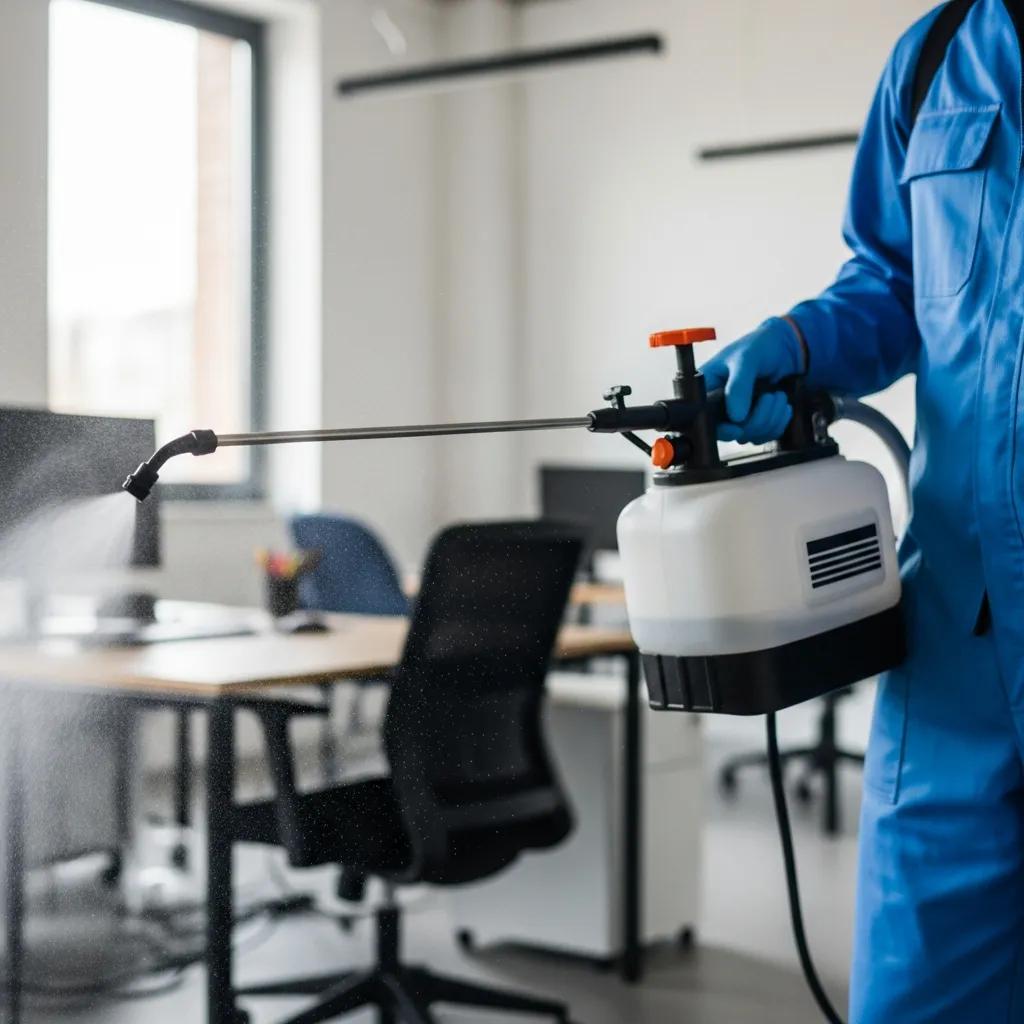
Deep cleaning in Metro Detroit focuses on health outcomes by linking specific cleaning methods to indoor air quality improvements and pathogen reduction while following safety and materials‑compatibility best practices. We apply fogging and electrostatic spraying selectively for targeted disinfection, use HEPA filtration and high‑efficiency vacuums to lower particulates, and perform mechanical floor restoration to remove sources of trapped contaminants. These methods reduce respiratory irritants and surface pathogen reservoirs, supporting occupants and aligning with industry health guidance. Local climate—cold, salty winters and spring pollen—makes seasonal interventions especially valuable for health and long‑term building performance. As a trusted commercial cleaning company in Metro Detroit, we prioritize your health and safety.
The table below maps common methods to health outcomes and compliance considerations to help you choose the right interventions.
| Cleaning Method | Health/IAQ Outcome | Compliance Consideration |
|---|---|---|
| Fogging / electrostatic | Reduces surface pathogens | Observe product dwell time and label instructions |
| HEPA vacuuming | Lowers airborne particulates | Supports indoor air quality management plans |
| Hot‑water extraction | Removes allergens from textiles | Valuable for schools and office environments |
| Floor restoration | Limits abrasive particulate generation | Helps maintain slip‑resistance and finish warranties |
| Targeted disinfectants | Reduces infection transmission risk | Use EPA‑registered or hospital‑grade products when needed |
This mapping shows which interventions most directly affect health metrics and what safety or labeling constraints facility managers should monitor. The next section explains advanced disinfection methods in more detail.
What Advanced Disinfection and Fogging Techniques Are Used?
Advanced disinfection typically uses electrostatic sprayers, ULV foggers, or thermal fogging with EPA‑registered or hospital‑grade chemistries to achieve even coverage and quick turnaround. Electrostatic sprayers charge droplets so they cling to complex surfaces, improving coverage and reducing missed spots; fogging is useful for whole‑room treatments between shifts or before events. Safe application depends on following dwell times, venting areas during and after treatment, and confirming compatibility with finishes and sensitive equipment. For outbreak control or pre‑event sanitation, these techniques are efficient and provide documentation to support risk management. Our fogging services are available across Macomb County.
How Do Eco-Friendly Cleaning Options Support Sustainable Facility Maintenance?
Eco‑friendly options include biodegradable detergents, low‑VOC disinfectants, microfiber systems that cut chemical use, and equipment with reduced water or energy use. These choices improve indoor air quality by lowering volatile organic compounds and reduce environmental impact through safer disposal and less waste. Trade‑offs can include higher upfront product costs or alternative approaches on heavily soiled surfaces, but long‑term benefits often include healthier indoor environments, alignment with sustainability goals, and lower regulatory risk. Paired with HEPA vacuums and efficient autoscrubbers, eco options can be both effective and demonstrably greener. As a responsible commercial cleaning company, we offer these choices.
How Often Should Businesses Schedule Seasonal Deep Cleaning Services?
Most businesses schedule seasonal deep cleaning at least twice a year—spring and fall—but recommended frequency depends on property type, occupancy, and risk profile. High‑demand environments may need quarterly or monthly deep interventions. When planning frequency, consider foot traffic, industry standards, seasonal exposures (salt, pollen), and health concerns. Combining routine janitorial services with planned seasonal deep cleans optimizes budgets and results. Contracted annual programs provide predictable maintenance costs, documented outcomes, and the ability to schedule around operations. The table below offers frequency guidance by property type to help facility managers plan.
| Property Type | Recommended Frequency | Rationale |
|---|---|---|
| Offices | Twice yearly (spring/fall) | Balances indoor air quality, appearance, and cost |
| Medical/Clinical | Quarterly or per regulation | Meets infection‑control and compliance needs |
| Schools/Daycare | Quarterly + summer deep clean | Addresses allergen cycles and seasonal occupancy |
| Retail/Hospitality | Twice yearly + peak‑season prep | Restores appearance ahead of busy periods |
| Light Industrial | Biannual or as‑needed | Tackles dust, grease, and equipment protection |
Use this table as a starting point and adjust based on traffic patterns, regulatory requirements, and Metro Detroit’s seasonal climate impacts. The sections that follow unpack the factors that influence frequency and program benefits. For businesses in Roseville or Grosse Pointe, tailoring these services is key.
What Factors Influence the Frequency of Commercial Deep Cleaning?
Frequency depends on occupancy, type of use, regulatory or accreditation requirements, local climate, and budget. High‑occupancy facilities or those serving vulnerable populations (medical, eldercare) need more frequent deep cleaning and enhanced disinfection. Low‑traffic administrative offices can often operate on a biannual schedule. Metro Detroit’s winters (salt exposure) and spring pollen cycles push priorities toward early‑spring and pre‑winter interventions. Budget and lifecycle planning determine whether a facility signs a scheduled contract or requests deep cleans as needed after inspections or events. Our office cleaners are ready to assist.
How Can Annual Deep Cleaning Programs Benefit Long-Term Property Maintenance?
Annual or contract deep‑cleaning programs create predictable maintenance cycles that support lifecycle planning and cost avoidance—extending the life of carpets, floors, and furnishings. Regular restorative work reduces premature replacements and helps maintain warranty conditions for certain finishes. Documentation from recurring deep cleans gives facility managers historical condition data to support budgeting and capital planning. A standing program also simplifies coordination, lowers emergency outsourcing costs, and preserves service continuity and accountability. This makes us a preferred commercial cleaning company for many businesses.
What Are Common Questions About Seasonal Deep Cleaning Services?
Facility managers often ask about scope, timing, cost drivers, and how to request estimates. Clear checklists, transparent cost drivers, and guidance on on‑site assessments reduce procurement friction and speed decision making. The short FAQ answers below address the most common concerns and finish with practical next steps for estimating services in Macomb County, Oakland County, and the Metro Detroit area.
What Is Included in a Commercial Deep Clean Checklist?
Here’s a practical checklist of high‑value items commonly included in seasonal deep cleaning—targeting frequent trouble spots for quick reference.
- Carpet extraction for all carpeted areas and spot treatment for stains, a key part of our commercial carpet cleaning services.
- Hard‑floor deep cleaning: stripping, scrubbing, and reapplying finish.
- High‑ and low‑level dusting, including light fixtures, duct intakes, and blinds.
- Interior and accessible exterior window washing to maximize daylight.
- HVAC vent and accessible duct cleaning to reduce particulate recirculation.
- High‑touch surface disinfection: door hardware, handrails, and shared equipment.
- Upholstery and fabric cleaning for reception and seating areas.
- Exterior pressure washing of entries, walkways, and signage areas.
This checklist covers core seasonal items; optional add‑ons—comprehensive fogging/disinfection or post-construction cleaning—are available depending on risk profile and schedule. The next section explains the cost drivers that determine final estimates.
How Much Do Seasonal Deep Cleaning Services Typically Cost in Metro Detroit?
Costs vary by property size, scope, frequency, substrate condition, and specialty services. Primary drivers include square footage, the ratio of carpet to hard floor, number of high‑touch zones needing disinfection, and night or weekend scheduling. On‑site conditions and access logistics affect labor and equipment time, so the most accurate pricing comes from a site assessment and tailored proposal. Ask for a detailed scope, clear line items for add‑ons, and documented expected outcomes when comparing estimates. For businesses in Macomb County, Oakland County, and Metro Detroit, requesting a free on‑site estimate from a local provider is the best way to get reliable budget and timing information.
To request a site‑specific estimate with a documented scope and schedule, contact McCoy Maintenance via our online request form or through our business profiles. We serve Macomb County, Oakland County, and the greater Metro Detroit area and provide customized cleaning plans, experienced staff led by a certified Master Cleaner, plus a 100 percent Satisfaction Guarantee. We are your trusted commercial cleaning company.
Frequently Asked Questions
What are the health benefits of seasonal deep cleaning for commercial properties?
Seasonal deep cleaning improves indoor air quality by removing allergens, dust, and accumulated pollutants. That can reduce respiratory irritation and lower employee sick days. Thorough cleaning of high‑touch surfaces also lowers pathogen transmission risk, making the workplace safer for staff and visitors and supporting overall productivity and morale. This is a core benefit of our office cleaning services.
How can businesses ensure compliance with health regulations during deep cleaning?
Work with professional cleaners who understand industry standards and local rules. Use EPA‑registered disinfectants, follow label and dwell‑time instructions, and keep documentation of procedures. Regular staff training on compliance and safety practices is essential. These steps help you meet regulations and protect occupants.
What should businesses consider when choosing a deep cleaning service provider?
Look for experience, local reputation, and the specific services you need. Verify commercial cleaning expertise and ask about methods, equipment, eco‑friendly options, and references. Confirm the provider offers customized plans and flexible scheduling to fit your operations. Reviews and referrals can reveal service reliability and quality. For a reliable commercial cleaning company in Metro Detroit, look no further.
Are there any eco-friendly options available for seasonal deep cleaning?
Yes. Many providers offer biodegradable detergents, low‑VOC disinfectants, microfiber systems to reduce chemical use, and energy‑ or water‑efficient equipment. These options can improve indoor air quality and support sustainability goals—though they may require adjustments for heavily soiled areas. Discuss trade‑offs and run a pilot to confirm performance before full implementation.
How can businesses prepare for a seasonal deep cleaning service?
Coordinate with your cleaning provider about priorities and any special requests. Clear clutter, ensure access to all areas, and notify staff about the schedule and any temporary disruptions. A pre‑clean walkthrough helps identify high‑priority zones and aligns expectations on scope and timing. For janitorial services in Warren, preparation is key.
What are the long-term benefits of regular seasonal deep cleaning?
Regular seasonal deep cleaning extends the life of carpets, floors, and furnishings—saving replacement costs over time. It improves indoor air quality and occupant comfort, reduces absenteeism, and keeps your facility presenting well to clients and visitors. Consistent documentation from scheduled deep cleans also supports budgeting and long‑term facility planning.
Conclusion
Seasonal deep cleaning delivers clear benefits for commercial properties—better indoor air quality, improved appearance, and longer‑lasting assets. By removing accumulated grime and allergens and tailoring plans to industry needs, businesses create healthier, more productive spaces. Ready to see the difference? Contact McCoy Maintenance for a customized estimate and seasonal plan built for your Metro Detroit facility. We are a leading commercial cleaning company serving Macomb County, Oakland County, and Wayne County.