Optimize Commercial Cleaning Schedules for Greater Efficiency and Lower Costs
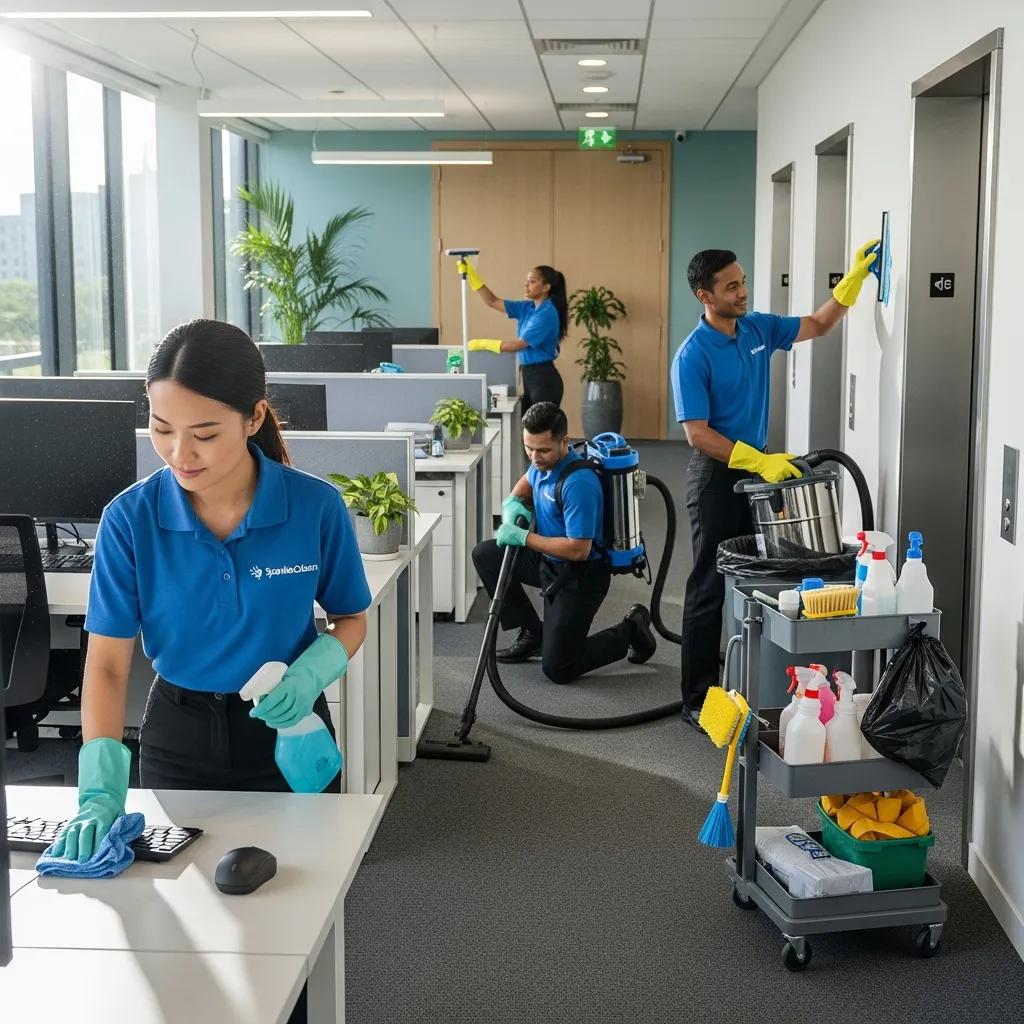
A well-tuned cleaning schedule lines up how often and where we clean with how spaces are actually used — cutting wasted labor and supplies while improving overall hygiene. By syncing task cadence with occupancy patterns and high-touch surfaces, schedule optimization lowers operating costs and keeps cleaning from disrupting daily business. This article lays out practical ways to optimize cleaning schedules for businesses across Macomb County, Oakland County, and Wayne County: using data, tailoring plans for different industries, accommodating hybrid workplaces, and adding sustainable green-cleaning methods. You’ll learn how to use occupancy and foot-traffic data, set up zone-based cleaning, and create service-level agreements that protect assets and your brand. Sections cover core benefits, the role of technology, industry customizations, low-disruption rollout tactics, sustainable practices that reduce total cost of ownership, and how a local commercial cleaning company can help. Throughout, we focus on efficient routines, schedule optimization, and smart cleaning technology to help facility managers and operations leaders make measurable improvements.
What Are the Key Benefits of Optimizing Commercial Cleaning Schedules?
Optimizing cleaning schedules means organizing tasks by priority, frequency, and resources so effort is focused where it matters most. That cuts redundant work in low-use areas and increases attention on high-traffic, high-touch zones—improving hygiene and lowering cost per square foot. Optimized schedules also protect productivity by shrinking daytime interruptions and preserving assets like carpets and floors through timely maintenance. For any office cleaning company or commercial cleaning company, these benefits are crucial. Below are the main, measurable benefits facility managers can expect from a deliberate schedule design.
When schedules are optimized, you get clear, measurable improvements: better labor efficiency, fewer complaints, and reduced absenteeism. Those results make schedule optimization a strategic tool for operations and workplace wellness, and they translate directly into financial and productivity gains.
The most direct benefits include cost savings, productivity gains, improved hygiene, and stronger brand presentation:
- Direct Cost Savings: Right-sized task cadence cuts unnecessary labor hours and supply use.
- Improved Productivity: Cleaner, quieter spaces reduce distractions and absenteeism.
- Enhanced Hygiene: Focused high-touch protocols lower infection risk and complaints.
- Brand Protection: Consistent appearance preserves assets and customer perception.
These benefits set the stage for how optimization actually reduces costs and boosts productivity, which we explore next.
Intro to the table below: The table compares key benefits, how they’re delivered, and the typical measurable impacts facility leaders track.
| Benefit | Mechanism | Typical Measurable Impact |
|---|---|---|
| Cost savings | Right-sizing frequency and reallocating labor | 5–20% reduction in labor hours depending on site |
| Productivity gains | Reduced daytime disruption and cleaner workspaces | Lower absenteeism and improved staff output |
| Better hygiene | Targeted high-touch cleaning and scheduled deep-clean | Fewer complaints and lower infection-related absences |
| Brand protection | Regular maintenance of visible assets | Lower replacement/repair costs and improved client impressions |
How Does Schedule Optimization Reduce Costs and Enhance Productivity?
Schedule optimization cuts costs by matching cleaning intensity to actual need: reduce frequency in rarely used areas and increase it where traffic is heavy. That lowers overtime and chemical waste, producing measurable labor-hour savings and smaller supply bills. Simple before-and-after comparisons often show fewer weekly cleaning hours and a lower cost-per-square-foot while maintaining — or improving — cleanliness. For businesses in Detroit, Troy, or Sterling Heights, this means tangible savings. Productivity improves because there are fewer daytime interruptions and a cleaner environment that helps reduce illness-related absences and keeps employees engaged.
Those operational gains naturally lead into how efficient cleaning also supports hygiene and brand image in customer-facing spaces.
In What Ways Does Efficient Cleaning Improve Workplace Hygiene and Brand Image?
Efficient cleaning improves hygiene by prioritizing high-touch surfaces, using correct dwell times, and scheduling regular deep cleans for commercial carpets and areas near HVAC systems that trap contaminants. That reduces pathogen load and lowers the chance of infections, which in turn lowers sick days and supports employee health. On the brand side, consistently maintained lobbies, restrooms, and meeting rooms shape first impressions and signal operational care — helping customer trust and retention. A short visible-impression checklist — spotless reception, streak-free glass, polished floors — helps frontline staff and office cleaners stay aligned on priorities.
With those hygiene and appearance outcomes in mind, the next section explains how data makes prioritization systematic and adaptive.
How Can Data-Driven Cleaning Schedules Enhance Facility Cleaning Management?
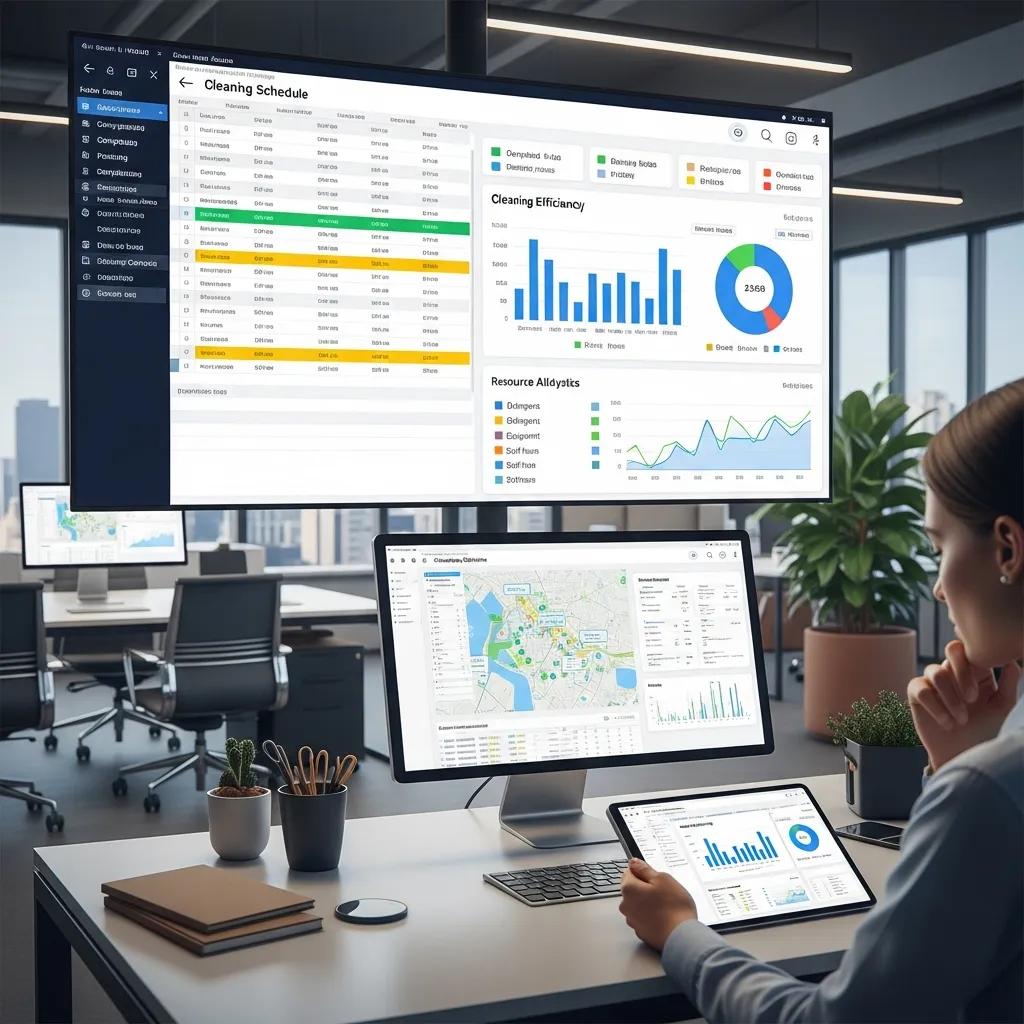
Data-driven cleaning schedules use measurable inputs — occupancy counts, foot-traffic patterns, and service requests — to adjust frequency and resources on the fly. Raw signals become schedule changes: more cleaning where use or complaints spike, less where occupancy is predictably low. This improves ROI by directing labor and materials where they matter most and gives you an auditable trail for SLAs. A data-driven approach also creates a feedback loop so results guide future schedule tweaks and SLA updates.
Adopting data-driven methods means picking the right inputs and tools, and linking them into daily workflows so managers can turn insights into actionable work orders. The table below highlights common data inputs, what they measure, and how they usually affect scheduling.
Intro to the table: This simple table shows useful data sources, why they matter, and how they change cleaning cadence or resource allocation.
| Data Source | Metric Type | Scheduling Impact |
|---|---|---|
| Occupancy sensors | Real-time presence counts | Increase daily touch-clean frequency during peaks |
| Foot-traffic counters | People-per-hour counts | Add targeted daytime passes in high-traffic zones |
| Complaint/service logs | Incident frequency | Trigger priority deep cleans and root-cause tasks |
| Event/booking systems | Scheduled guest or meeting events | Schedule pre- and post-event cleaning windows |
What Types of Data Inform Smarter Cleaning Schedule Decisions?
Key data types include occupancy and foot-traffic counts, work-order and complaint logs, calendar integrations for events, and seasonal patterns such as flu season or nearby construction. Occupancy sensors and entry counters provide near real-time signals to shift daily priorities to busier zones. Complaint logs and help-desk tickets reveal recurring trouble spots that need either more frequent cleaning or a process change. Collecting these inputs consistently lets managers create a usage-tier system — low, medium, high — that maps directly to cleaning cadence and staffing.
These data types work best when plugged into a cleaning management platform that translates signals into schedule updates, which we cover next.
How Does Technology Integration Support Data-Driven Cleaning?
Technology ties sensors, cleaning-management software, and mobile reporting into a workflow where data triggers visible schedule updates and generates work orders. Typical flow: sensor or log input → analytics dashboard → schedule recommendation → mobile assignment to custodial staff → completion confirmation and SLA reporting. Benefits include less over-cleaning, clearer audit trails, and faster complaint response. Mobile apps let crews give real-time feedback and photo proof to close the loop between expectations and delivery, supporting continuous improvement and SLA compliance.
Connecting technology with people and processes is what turns data insights into consistent day-to-day practice instead of theoretical plans.
How Do Customized Commercial Cleaning Plans Adapt to Unique Business Needs?
Customized cleaning plans start with an assessment of facility use, regulatory needs, surface types, and stakeholder priorities, then turn those inputs into a frequency matrix for daily, weekly, and monthly tasks. The process includes a walk-through, interviews, and data review to identify high-value tasks and compliance requirements, producing a tailored plan that optimizes resources. These plans balance operational limits with hygiene targets and asset protection so the cleaning schedule supports business continuity and appearance standards. For a top commercial cleaning company in Oakland County, this tailored approach is standard. The table below compares common industries, their cleaning priorities, and recommended cadence.
Intro to the table: Use this comparison to see how cleaning priorities shift by industry and what cadence adjustments are typically recommended.
| Industry Type | Cleaning Priority | Recommended Cadence |
|---|---|---|
| Office | High-touch disinfection and appearance | Daily touch + weekly deep clean |
| Medical | Regulatory compliance and infection control | Multiple daily passes + frequent deep sterilization |
| Retail | Customer-facing appearance and floor care | Daily floor maintenance + midday touch-ups |
This comparison helps facilities select the right mix of daily and periodic tasks based on real operational needs and compliance rules.
When turning custom plans into operations, local service options and flexible scheduling matter. McCoy Maintenance is a trusted commercial cleaning company, family-owned and operated, serving Metro Detroit, including Macomb County, Oakland County, and Wayne County, since 1984. That local knowledge matters — understanding regional traffic patterns and client expectations helps shape practical service windows and realistic schedules for businesses in Royal Oak, West Bloomfield, or Clinton Township.
What Factors Influence Tailored Cleaning Schedules for Different Industries?
Factors that change cadence include regulatory requirements, surface and material types, expected foot traffic, hours of operation, and customer-facing exposure. Regulated environments, like medical settings, need more frequent disinfection and documentation, while retail spaces prioritize continuous appearance and floor care. Surface materials dictate technique and timing — hard floors and carpets require different maintenance intervals and equipment. These factors combine into a priority matrix that defines frequency, staffing, and inspection points in the SLA.
Considering these factors helps planners create task lists that are specific, auditable, and aligned with operational risk. Next, we’ll look at how hybrid work models affect scheduling.
How Are Flexible Cleaning Plans Designed to Accommodate Hybrid Work Models?
Flexible plans for hybrid workplaces use adaptive frequency, zone-based staffing, and event-triggered deep cleans to match changing occupancy. The approach assigns core daily tasks to shared zones and adds passes based on sensor data or booking systems that show peak days. Zone-based cleaning reduces wasted effort by focusing on active areas and cutting back in unoccupied wings. Offering flexible service windows — evenings and weekends — helps avoid daytime disruption and supports staggered occupancy patterns, a key service for any office janitorial provider.
These adaptive strategies form the operational foundation for rollout tactics that minimize disruption.
What Strategies Support Implementing Flexible and Efficient Office Cleaning Routines?
Rolling out flexible, efficient office cleaning routines needs clear scheduling rules, communication protocols, and pilot tests to validate assumptions before a full launch. Use staged pilots — small-area tests — to compare baseline metrics and refine frequencies, then expand successful schedules across the facility. Communicating changes to facility managers and staff about timing and expectations reduces interruption complaints and builds trust. Operational tactics like batching tasks by area and using quiet equipment during daytime passes reduce perceived disruption while keeping hygiene standards high. For an effective office cleaning company in Novi or Northville, these strategies are essential. Below is a practical checklist to help managers implement these strategies.
This checklist gives actionable steps to minimize disruption and achieve efficient cleaning.
- Perform a baseline assessment and map high-traffic zones to priority tiers.
- Run a short pilot in one zone to test adjusted frequencies and collect metrics.
- Communicate schedule changes to staff and post visible cleaning windows.
- Use off-hours for noisy deep-clean activities and daytime touch-ups for high-touch sites.
- Review metrics and feedback monthly and adjust the SLA accordingly.
Following this checklist ensures pilots guide scalable schedule changes rather than one-off fixes. These implementation steps lead directly to tactics for minimizing disruption, described next.
How Can Cleaning Schedules Minimize Disruption to Business Operations?
To cut disruption, schedule noisy or obstructive tasks outside core business hours, batch tasks to avoid repeat entries into the same area, and use low-vibration equipment when daytime work is necessary. Coordinate with facility calendars so cleaning doesn’t conflict with events or peak times. Use signage and brief staff notices to set expectations and reduce interference. Staggered cleaning teams and clear handoffs limit overlap between crews and employees, helping maintain productivity.
Thoughtful timing and coordination also make it simpler to adjust frequency based on real usage metrics, which we cover next.
What Are Best Practices for Adjusting Cleaning Frequency Based on Facility Usage?
Best practices include defining usage tiers (low, medium, high), mapping each tier to a recommended cadence, and using data plus stakeholder feedback to move areas between tiers. Decision rules — for example, adding a midday pass when occupancy passes a set threshold — create objective triggers for changes. Document all adjustments in the SLA and set quarterly reviews to confirm effectiveness. This governance keeps schedule changes transparent, measurable, and reversible if results aren’t as expected.
These controls support long-term optimization and make it possible to add sustainable practices without losing effectiveness.
How Does Integrating Green Cleaning Practices Optimize Cleaning Schedules Sustainably?
Green cleaning optimizes schedules by cutting chemical overuse, using faster methods like microfiber systems, and timing tasks around product dwell-time so efficacy isn’t sacrificed. The approach pairs eco-friendly products and efficient equipment with measured scheduling so sustainability doesn’t compromise cleanliness. Over time, greener choices lower supply and disposal costs and improve indoor air quality, supporting employee health. Below are practical product and method examples that boost both efficiency and sustainability.
Intro to the list: These eco-friendly methods speed cleaning, reduce waste, and sometimes require different scheduling considerations.
- Microfiber systems cut chemical use and speed cleaning by capturing soils more effectively.
- Concentrated chemistries with dosing systems reduce waste and storage needs while ensuring correct dilution.
- Low-water techniques and efficient machines shorten task time and lower utility consumption.
These methods lower environmental impact and operating costs but require planned dwell times and training to perform well.
What Eco-Friendly Products and Methods Enhance Cleaning Efficiency?
Microfiber pads and mops trap soils with less chemical reliance and often remove the need for repeat passes, saving time. Concentrated chemicals with proper dosing cut waste and storage footprint while delivering consistent results across crews. Low-water extraction and efficient scrubbers shorten labor and drying time for floors, reducing downtime in busy areas. Training crews on these products is essential so schedules account for required dwell times or technique changes.
Sound sustainable choices produce predictable performance that can be built into frequency matrices for long-term savings, which we quantify next.
How Do Sustainable Practices Contribute to Cost Savings and Healthier Workplaces?
Sustainable practices reduce long-term supply and disposal costs by lowering chemical use, cutting packaging, and extending asset life through proper maintenance. Healthier indoor environments from low-VOC cleaners and better air-quality practices can reduce absenteeism and boost productivity, delivering measurable ROI. Facilities that track these improvements also gain a procurement edge with clients seeking eco-friendly partners. Monitoring product spend, disposal volumes, and absenteeism builds a strong business case for continued sustainable investment.
Documented savings and health gains make it practical to include green practices in SLAs and long-range facility plans.
Why Choose McCoy Maintenance for Optimized Commercial Cleaning in Metro Detroit?
McCoy Maintenance turns optimized cleaning schedules into day-to-day reality through on-site assessments, tailored plans, and responsive service. Our offerings — office cleaning, janitorial services, commercial cleaning, carpet and upholstery care, floor maintenance, fogging, and post-construction cleaning — map directly to the scheduling strategies above. Being a local commercial cleaning company in Metro Detroit means faster response times and flexible windows (morning, evening, weekend) that reduce disruption while keeping results consistent for businesses in Warren, St. Clair Shores, or Rochester Hills.
Here are practical reasons to consider a local partner for schedule optimization:
- Local responsiveness and schedule flexibility aligned with regional business patterns.
- Customized cleaning plans and measurable KPIs that support SLA compliance.
- Trained, background-checked, insured staff and eco-friendly options to match client priorities.
To learn more about our commitment to excellence and read client testimonials, visit our trusted commercial cleaning company in Metro Detroit.
This positioning explains how McCoy delivers optimized schedules and the regional advantages we bring.
What Is McCoy Maintenance’s Proven Process for Customized Cleaning Schedule Optimization?
Our process is stepwise: on-site assessment and stakeholder interviews, data collection and pilot testing, full roll-out with SLA documentation, and ongoing monitoring with periodic reviews. The assessment pinpoints high-traffic zones and surface needs, pilots validate frequency changes, and monitoring tracks metrics like cleaning hours, complaint rates, SLA adherence, and cost per square foot. We focus on transparency and back our work with a 100% satisfaction guarantee while refining schedules based on data.
This repeatable cycle shows how a local provider turns strategic scheduling changes into reliable operational improvements.
How Does Local Expertise Benefit Businesses in Macomb, Oakland, and Metro Detroit?
Local expertise means we understand regional peak seasons, commute patterns, and business hours, so we can plan service windows that reduce disruption and anticipate demand spikes. Proximity allows faster on-site responses for urgent needs, closer pilot oversight, and smoother coordination with facility managers. Local references and case examples make benchmarking easier, and our Metro Detroit market knowledge helps us tailor communication and scheduling norms for long-term partnerships with businesses throughout Macomb County, Oakland County, and Wayne County, including areas like Grosse Pointe, Eastpointe, and Beverly Hills.
Working with a local partner supports practical rollouts that match facility needs and regional business rhythms.
Frequently Asked Questions
What are the common challenges faced when optimizing cleaning schedules?
Common challenges include accurately assessing how spaces are used, handling fluctuating occupancy, and meeting industry regulations. Resistance from staff to routine changes can slow adoption, and integrating new technology or analytics into existing workflows can be tough. To overcome these hurdles, engage stakeholders early, provide training, and run pilot programs to show clear benefits before scaling.
How can businesses measure the effectiveness of their cleaning schedules?
Measure effectiveness with KPIs like cleaning hours, supply costs, and employee absenteeism. Collect regular feedback from staff and customers to track perceptions of cleanliness. A logs system for complaints and service requests helps spot recurring issues. Periodic metric reviews let you adjust schedules to keep cleaning aligned with operational needs.
What role does employee feedback play in optimizing cleaning schedules?
Employee feedback is vital. It highlights how well cleaning efforts meet daily needs and points out problem areas that may need more attention or a cadence change. Involving staff in scheduling builds ownership and makes changes easier to accept. Surveys and informal check-ins keep the feedback loop active.
How can technology improve communication about cleaning schedules?
Technology improves communication through mobile apps, dashboards, and automated alerts. These tools let managers share real-time updates on cleaning activity, schedule changes, and upcoming deep cleans with staff. Mobile reporting also lets crews confirm completed tasks with photos, improving transparency and accountability. Better communication reduces misunderstandings and aligns expectations.
What are the benefits of using eco-friendly cleaning products in optimized schedules?
Eco-friendly products improve indoor air quality, reduce chemical exposure for staff, and lower environmental impact. They often use less water and fewer chemicals, which can cut costs over time. Adopting green cleaning also strengthens brand image with eco-conscious clients and supports broader corporate social responsibility goals. Including sustainable practices in schedules demonstrates a long-term commitment to health and the environment.
How can seasonal changes affect cleaning schedules?
Seasonal shifts change foot traffic, weather impacts, and cleaning needs. During flu season, increase attention to high-touch areas to lower infection risk. Winter months often require more floor care due to salt and snow. Adjusting cleaning frequency for seasonal patterns keeps facilities safe and helps optimize resource use year-round.
What strategies can be employed to ensure compliance with industry regulations in cleaning schedules?
To ensure compliance, start with a thorough review of applicable standards and integrate them into your cleaning schedules. Understand specific sanitation rules for sectors like healthcare or food service. Regular training on compliance protocols and detailed documentation of cleaning activities are essential. Checklists and periodic audits help verify consistent adherence to regulatory requirements.
Conclusion
Optimizing commercial cleaning schedules improves operational efficiency, reduces costs, and raises workplace hygiene. By using data-driven insights and customized strategies, you can build a cleaning routine that fits your facility and keeps it looking its best. Adopt a tailored plan to boost standards and employee satisfaction — and reach out to McCoy Maintenance, a trusted commercial cleaning company in Metro Detroit, to help put these strategies into action.