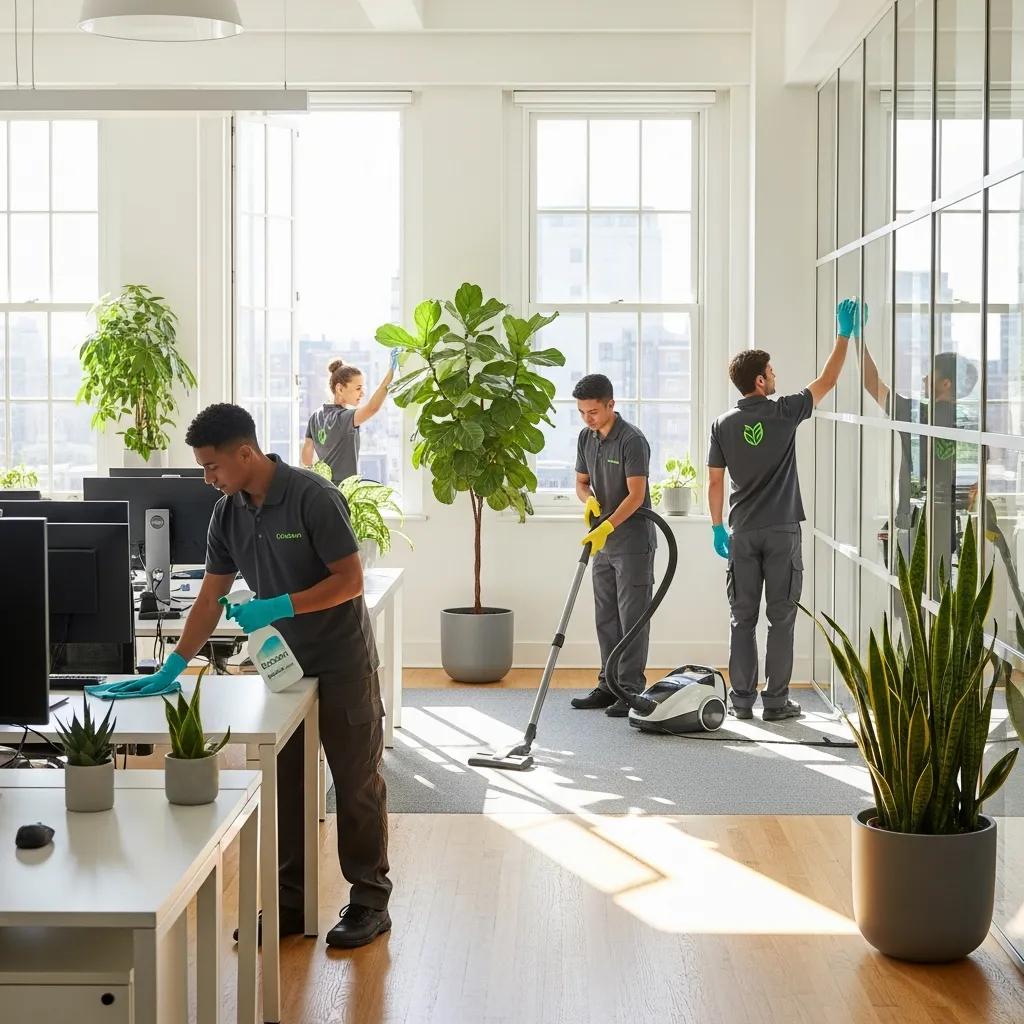
Why Ventilation Matters During Commercial Cleaning — Better Indoor Air for Your Office
Ventilation is the deliberate exchange of indoor and outdoor air that lowers concentrations of pollutants. It’s one of the most important factors in keeping indoor air quality (IAQ) healthy during and after commercial cleaning. By bringing in fresh air or exhausting fumes, ventilation cuts down volatile organic compounds (VOCs), airborne microbes, and excess moisture that cleaning can stir up. This guide walks through how ventilation works, the differences between natural and mechanical options, and practical steps facility managers can take to control chemical fumes and keep office air healthy. You’ll learn how to pick the best cleaning windows, when to use local exhaust or portable HEPA units, and why syncing HVAC runtime with cleaning schedules matters. We also provide checklists, comparison tables, and short guidance on greener product choices and fogging when it’s appropriate. The focus is practical: protect occupants and cleaning crews while keeping your building productive.
What Is Indoor Air Quality and Why Does It Matter in Commercial Cleaning?
Indoor air quality (IAQ) refers to the amount and types of airborne contaminants, the humidity level, and how well air is exchanged inside a building. Cleaning can remove dirt and germs, but it can also temporarily raise emissions of VOCs or aerosols. IAQ is commonly tracked by pollutant readings, CO2 (as a quick check of ventilation), relative humidity, and particle counts. Ventilation and filtration are the fastest ways to change those numbers during cleaning. Good IAQ cuts down on irritation, sick days, and cognitive fatigue; poor IAQ often means more absences and lower productivity. For businesses in **Metro Detroit**, understanding IAQ is crucial for maintaining a healthy and productive environment. Current guidance and studies show that planning ventilation during cleaning is a practical, evidence-based method to limit short-term exposures to fumes and aerosols.
How Does Poor Indoor Air Quality Affect Health and Productivity?
Poor IAQ causes symptoms and performance problems by exposing people to irritants, allergens, and pathogens that reduce comfort and focus. Short-term effects include headaches, irritated eyes and throats, congestion, and worsened asthma. Over time, repeated exposure to high VOCs or particulates can contribute to chronic respiratory issues and lower work output. Research links higher indoor CO2 and pollutant levels to measurable drops in decision-making and concentration — so IAQ is a business concern as much as a health one. That’s why cleaning programs should include ventilation planning instead of treating cleaning as a stand-alone task.
What Are the Key Factors Influencing Indoor Air Quality in Offices?
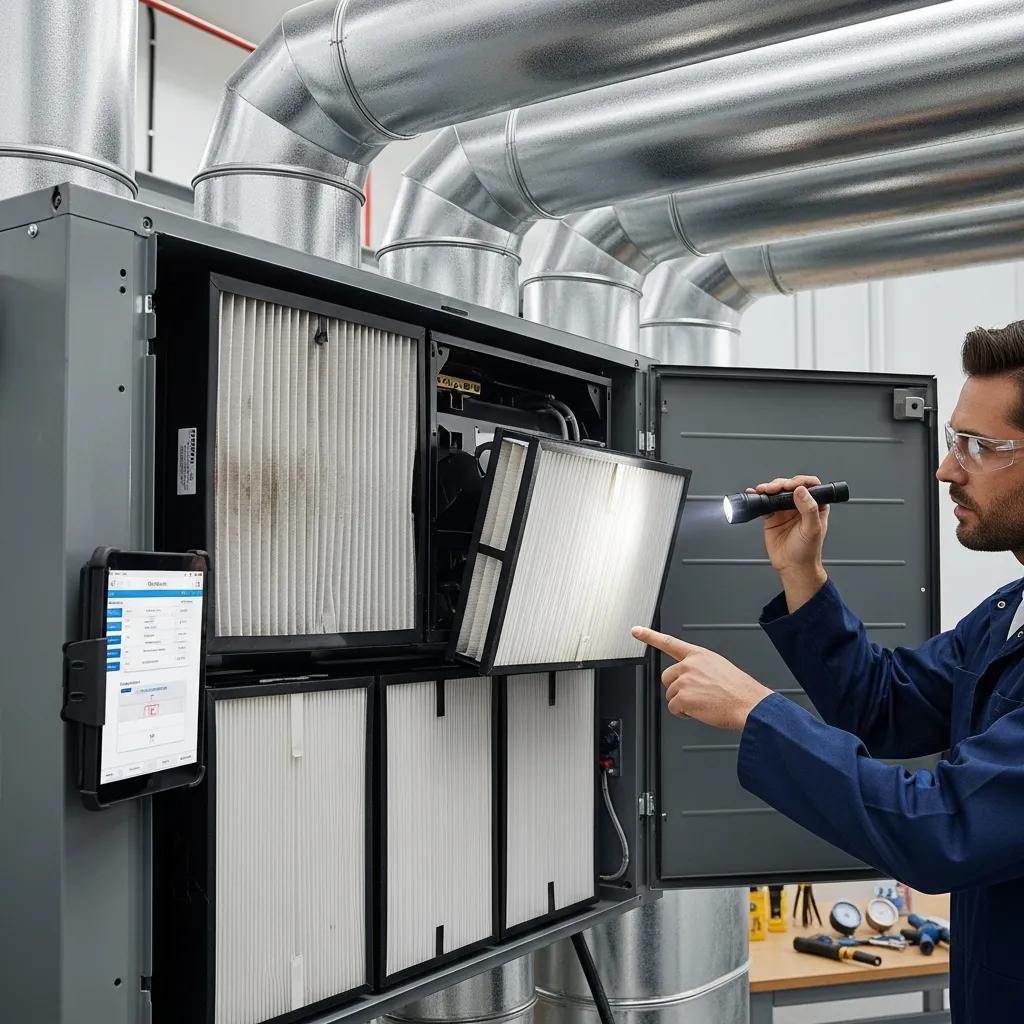
Several manageable factors determine whether cleaning improves or temporarily worsens office air. The main ones are air exchange rate (ventilation), the types and amounts of cleaning chemicals used, how many people are in the space and what they’re doing, HVAC filtration efficiency, and moisture control to prevent mold. These elements interact — for example, more ventilation dilutes VOCs but may affect temperature or humidity, and poor filtration or dirty ducts can recirculate contaminants. Facility teams that monitor CO2, keep HVAC filters current, and choose low-emission cleaning products can cut both immediate and long-term IAQ risks.
Why Is Ventilation Crucial During Commercial Cleaning?
Ventilation matters during cleaning because it removes and dilutes airborne chemical fumes and aerosols, helps surfaces dry faster (reducing re-aerosolization), and prevents contaminated air from cycling back through HVAC systems. Ventilation works by dilution (bringing in outdoor air), displacement (moving contaminated air to exhaust), filtration (capturing particles in media), and local exhaust to capture emissions at the source. When used correctly, ventilation lowers airborne concentrations quickly and shortens how long occupants are exposed after cleaning. Below is a quick comparison of common ventilation approaches for cleaning situations.
This table compares ventilation types and key performance attributes for cleaning scenarios.
| Ventilation Type | Typical Air Exchange | Fume Control Strength | Pathogen/Aerosol Removal |
|---|---|---|---|
| Natural ventilation (windows/vents) | Variable; depends on wind/temp | Moderate when open; inconsistent | Moderate; limited filtration |
| Mechanical HVAC supply & return | Controlled ACH; programmable | Strong when using higher outdoor air fraction | Strong with upgraded filtration |
| Local exhaust / portable units (HEPA) | Localized exchanges | High for source capture | High for particles and aerosols |
How Does Ventilation Remove Chemical Fumes and Airborne Pathogens?
Ventilation lowers chemical fumes and pathogen levels by diluting indoor pollutants with cleaner outdoor air, directing contaminated air to exhaust points, and allowing filters to capture particles. Dilution reduces concentrations roughly in line with air changes per hour (ACH). Displacement uses fans or exhausts near the source — like restroom fans or local capture — to remove emissions before they spread. Upgrading HVAC filters (higher MERV) or adding portable HEPA units helps trap particles and reduce airborne pathogens. Practical steps include raising outdoor air fractions during and after cleaning, running HVAC fans for extra time post-cleaning, and using portable HEPA machines where aerosols are a concern — together these protect occupants and cleaning staff.
What Are the Differences Between Natural and Mechanical Ventilation?
Natural and mechanical ventilation differ in predictability, control, and filtering ability, each with trade-offs for cost and practicality. Natural ventilation — opening windows and vents — can quickly dilute the air when conditions are right, but it’s weather-dependent, offers no filtration, and can conflict with security or building pressure. Mechanical ventilation via HVAC gives consistent, programmable air exchange, can increase outdoor air on demand, and supports filter upgrades to remove particles, but it needs correct settings and regular maintenance to avoid recirculation problems.
When possible, combine both approaches: use windows for quick dilution in low-risk, secure settings and rely on mechanical systems and filtration for consistent, repeatable IAQ control.
How Can Businesses Control Chemical Fumes During Office Cleaning?
To control chemical fumes, choose low-VOC products, schedule cleaning during low-occupancy times, use local exhaust and increased ventilation, and make sure staff have proper PPE and training. For businesses in **Royal Oak** seeking comprehensive solutions, partnering with a professional office cleaning company can ensure these practices are consistently applied.
These steps reduce acute exposures, minimize odor complaints, and keep cleaning effective.
Communication helps too — tell occupants about cleaning windows and run HVAC fans after service so remaining fumes clear before normal occupancy resumes.
The table below compares cleaning methods, common emissions, and recommended mitigation steps.
| Cleaning Method | Typical VOCs / Emissions | Mitigation Strategy |
|---|---|---|
| Aerosol disinfectants | Alcohols, quaternary ammonium residues | Use trigger-spray alternatives, ventilate during use, local exhaust |
| Solvent-based degreasers | Hydrocarbons, strong odors | Substitute low-VOC formulas, use containment and PPE |
| Carpet/floor care (shampoos, finishes) | Detergents, fragrances, off-gassing | Increase ventilation after application, use low-VOC products |
What Safe Cleaning Practices Reduce Chemical Exposure?
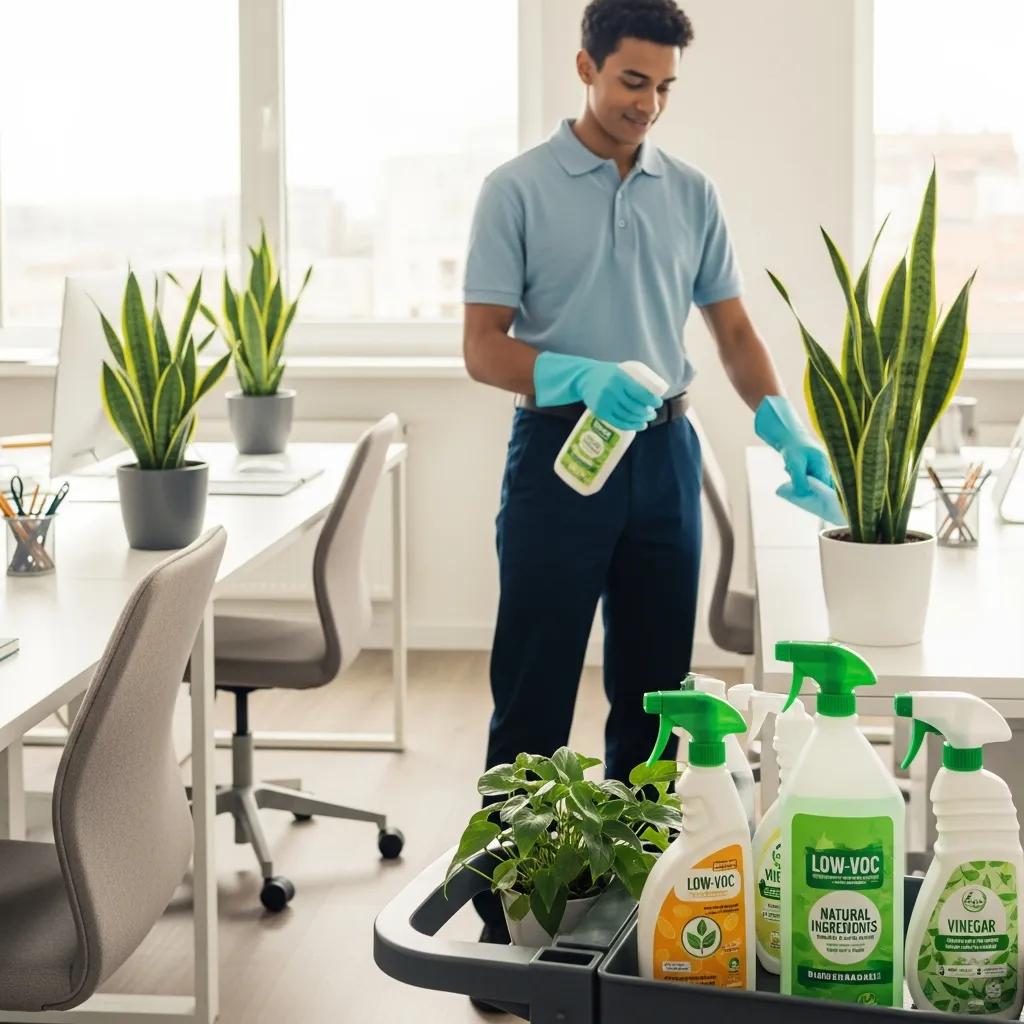
Safe cleaning focuses on cutting emissions at the source, limiting occupant exposure, and protecting cleaning crews. Start with low-VOC or green-certified products and dilute concentrates exactly as the label directs. Schedule deep cleans or strong-product use during off-hours or low-occupancy windows, and run HVAC or portable filtration before re-entry to speed clearance. Train staff on correct product use and PPE — gloves and masks when needed — and use clear signage to keep occupants informed. These steps reduce exposure and help meet workplace safety expectations.
How Does McCoy Maintenance Ensure Chemical Fume Control?
At McCoy Maintenance, a leading janitorial services provider in **Oakland County**, we balance cleaning effectiveness with IAQ protection. We offer eco-friendly product options, use trained and background-checked staff, and build cleaning plans that sync with building ventilation. Our training covers correct dilution, application, and timing to minimize emissions, and we prioritize low-occupancy windows and added ventilation after treatments. For customers wanting lower chemical exposure, we can specify low-VOC alternatives and coordinate service timing with HVAC settings and portable filtration. These practices keep indoor air safer without cutting corners on cleanliness.
What Are Best Practices for Integrating Ventilation with Commercial Cleaning?
Integrating ventilation with cleaning takes coordination, measurable checks, and routine maintenance to keep IAQ steady over time.
Best practices include matching cleaning schedules with HVAC runtimes, monitoring CO2 as a ventilation proxy, and keeping records of filter changes and duct work to avoid recirculation of pollutants. Create a plan with short-term actions for cleaning windows, medium-term steps like adding portable HEPA units, and long-term HVAC assessments to increase outdoor air. The checklist below shows who should handle key ventilation tasks and how often or what to track.
| Action | Responsible Party | Frequency / Metric |
|---|---|---|
| Coordinate cleaning schedule with HVAC settings | Facility manager / cleaning contractor | Weekly scheduling; confirm before each deep clean |
| Run HVAC fan during and after cleaning | Building engineer / HVAC controls | Increase runtime by 2–4 hours post-cleaning; monitor CO2 |
| Replace/upgrade filters and inspect ducts | Maintenance team / HVAC vendor | Replace per manufacturer or quarterly; MERV rating review |
How to Implement Long-Term Ventilation Strategies for Optimal Air Quality?
Long-term ventilation planning mixes policy, monitoring, equipment choices, and KPIs so IAQ improves and stays improved. Short-term: increase ventilation during cleaning and use portable HEPA cleaners in busy zones. Medium-term: upgrade filters and add local exhaust where needed. Long-term: assess HVAC capacity, consider mechanical upgrades to bring in more outdoor air, and set up monitoring with CO2 and particle sensors as KPIs. Set clear targets — for example, keeping CO2 below a chosen threshold during occupancy and documenting ACH after cleaning — so progress is measurable and accountable.
What Role Does HVAC System Cleaning Play in Maintaining Ventilation?
Cleaning the HVAC system helps return airflow to design levels, removes dust that reduces filter effectiveness, and lowers the chance of pollutants re-entering occupied spaces. Regular filter changes improve particle capture and energy efficiency, while targeted duct and coil cleaning address spots where dust or biofilms build up. Triggers for HVAC work include visible dust in vents, ongoing odor complaints after cleaning, or reduced airflow. Follow ASHRAE guidance for inspection and maintenance frequency to keep systems performing and compliant. Regular HVAC care preserves ventilation effectiveness and boosts the benefits of routine cleaning for IAQ.
How Do Eco-Friendly Cleaning Solutions Benefit Indoor Air Quality?
Eco-friendly cleaning products help IAQ mainly by cutting VOC emissions and strong odors, which reduces short-term respiratory irritation and makes the space more comfortable. Low-VOC formulations and certified green products release fewer volatile compounds during and after use, so ventilation clears the air faster. Choosing greener options supports sustainability goals, reduces complaints, and works well with ventilation strategies like running HVAC fans after application to limit airborne exposure.
The short list below highlights the main advantages of using low-VOC and green cleaning products in commercial settings.
- Lower VOC Emissions: Less off-gassing means fewer respiratory irritants after cleaning.
- Fewer Odor Complaints: Less fragrance and harsh solvents let spaces be reoccupied sooner.
- Safer for Staff: Lower chemical hazard reduces reliance on heavy PPE and cuts exposure risk.
Using these products makes ventilation and filtration work harder for you by reducing the pollutant load they must clear.
What Are the Advantages of Low-VOC and Green Cleaning Products?
Low-VOC and green products bring both health and operational benefits: fewer immediate complaints, better occupant comfort, and alignment with sustainability goals many organizations value. They leave less lingering odor and fewer volatile chemicals after cleaning, so ventilation clears the space faster. That can mean fewer disruptions, lower absenteeism, and better impressions of your building’s environment. Verify green claims through recognized certifications to ensure products genuinely reduce IAQ risks.
How Does McCoy Maintenance’s Eco-Friendly Approach Support Healthier Air?
McCoy Maintenance includes eco-friendly options in our standard plans and can tailor low-VOC selections to reduce the chemical load during service windows. By swapping greener alternatives where suitable and coordinating with building ventilation schedules, we help limit post-cleaning fumes and speed air clearance. This approach pairs with mechanical upgrades and portable filtration to deliver practical IAQ improvements while keeping floors, commercial carpet cleaning, upholstery, and workspaces clean for businesses across **Macomb County**. Offering eco-options in a customized plan helps clients balance performance, occupant health, and sustainability.
How Does McCoy Maintenance’s Fogging Service Enhance Air Sanitization?
Fogging is a focused disinfectant method that sprays fine droplets to reach areas manual cleaning can miss. It works best as part of a ventilation-aware IAQ plan, not as a standalone fix. McCoy Maintenance offers specialized fogging services that disperse an EPA-registered or hospital-grade disinfectant as a mist to cover wide areas and crevices, improving surface coverage and reducing airborne reservoirs when used correctly. Ventilation helps clear any residual aerosol and prevents re-aerosolization during normal building use. The sections below explain how fogging works and how we position the service locally.
What Is Fogging and How Does It Eliminate Pathogens?
Fogging works by dispersing disinfectant as tiny droplets that settle on surfaces and stay long enough to inactivate viruses, bacteria, and fungi when used per label instructions. It increases surface coverage and can treat large spaces faster than wiping alone, though it doesn’t replace proper cleaning that removes soil and organic matter. Fogging is most effective when paired with ventilation so treated spaces can clear and when occupants return only after recommended dwell times. Used carefully, fogging lowers surface bioburden and, together with filtration, reduces airborne pathogen risk.
Why Choose McCoy Maintenance for Ventilation-Focused Cleaning in Metro Detroit?
McCoy Maintenance is a family-owned, local commercial cleaning company serving businesses across **Macomb County**, **Oakland County**, and **Wayne County**, including cities like **Royal Oak**, **Troy**, **Sterling Heights**, and **Detroit**. We provide fogging, office and janitorial services, carpet and upholstery care, floor maintenance, and construction cleaning. Our trained, background-checked crews use industry-grade equipment and offer eco-friendly product choices within customized plans that align cleaning timing with ventilation to reduce fumes and improve IAQ. For organizations that want a local partner who ties cleaning methods to occupant health and ventilation, McCoy Maintenance in Metro Detroit is built to fit your facility’s needs. Contact us to plan ventilation-focused cleaning and fogging options that match your building’s needs.
Frequently Asked Questions
What are the signs of poor indoor air quality in a commercial setting?
Signs of poor IAQ include ongoing odors, visible dust build-up, and complaints from staff about headaches, tiredness, or breathing discomfort. High CO2 readings can also indicate inadequate ventilation and reduced comfort or performance. Watch humidity too — excess moisture can lead to mold. Regular walkthroughs and staff feedback help spot problems early so you can take corrective steps.
How often should HVAC systems be maintained to ensure optimal ventilation?
Plan HVAC maintenance at least twice a year to keep ventilation and air quality on track. Maintenance should include filter changes, duct inspections, and cleaning key components to prevent dust and debris from building up. Regular upkeep preserves airflow efficiency and reduces the risk of recirculating contaminants. Monitor system performance and address issues quickly — delayed maintenance can raise energy costs and harm IAQ.
What role do air purifiers play in enhancing indoor air quality during cleaning?
Air purifiers help by removing airborne particles, allergens, and some chemical fumes released during cleaning. HEPA-equipped units are effective at trapping dust, pollen, and many pathogens, lowering their concentration in the air. Used together with proper ventilation, air purifiers are especially useful in high-traffic or problem areas during intensive cleaning.
How can businesses educate staff about the importance of ventilation during cleaning?
Train staff with short sessions, clear handouts, and ongoing reminders about when and how to ventilate during cleaning. Give simple rules: use low-VOC products when possible, run ventilation during and after cleaning, and post signs when spaces are being treated. Share basic IAQ facts and let employees ask questions — engagement builds a culture that values healthy air.
What are the best practices for scheduling cleaning to minimize disruption?
Schedule cleaning during off-peak hours — early mornings, evenings, or weekends — to limit disruption. Tell occupants the schedule in advance so they can plan. Coordinate cleaning with HVAC run times so ventilation is active to clear fumes or particles afterward. This approach preserves productivity and improves indoor air quality.
What types of cleaning products are most effective for maintaining good indoor air quality?
Choose products that are low in volatile organic compounds (VOCs) and have recognized environmental certifications, such as Green Seal or EcoLogo. These products release fewer harmful compounds and odors, making it easier for ventilation to clear the space. Using concentrated formulas that can be diluted also reduces total chemical use and supports healthier air.
How can businesses measure the effectiveness of their ventilation strategies?
Track CO2, humidity, and particle levels with sensors or data loggers to see how ventilation performs. Measure before, during, and after cleaning to check clearance times. Regularly review the data and combine it with occupant feedback to confirm strategies are working. Clear targets and routine monitoring make ventilation improvements measurable and actionable.
Conclusion
Good ventilation during commercial cleaning is essential to improve indoor air quality, lower pollutant levels, and create a healthier space for occupants and staff. With smart scheduling, the right products, and coordinated HVAC or portable filtration, businesses in **Troy**, **Sterling Heights**, or **West Bloomfield** can protect people and keep operations running smoothly. Explore our tailored cleaning plans that prioritize ventilation and eco-friendly choices to make your workspace safer and more comfortable. Contact McCoy Maintenance, your trusted **office cleaning company** in **Metro Detroit**, to see how we can help meet your building’s air quality goals across **Macomb**, **Oakland**, and **Wayne Counties**.